
Bird watching in Kenya is one of Africa's most rewarding wildlife experiences, with more than 1,100 recorded bird species found across the country's national parks, wetlands, forests, lakes, mountains and coastal habitats. From flamingos and African fish eagles in the Great Rift Valley to colourful bee-eaters, kingfishers, hornbills and rare…
4 results
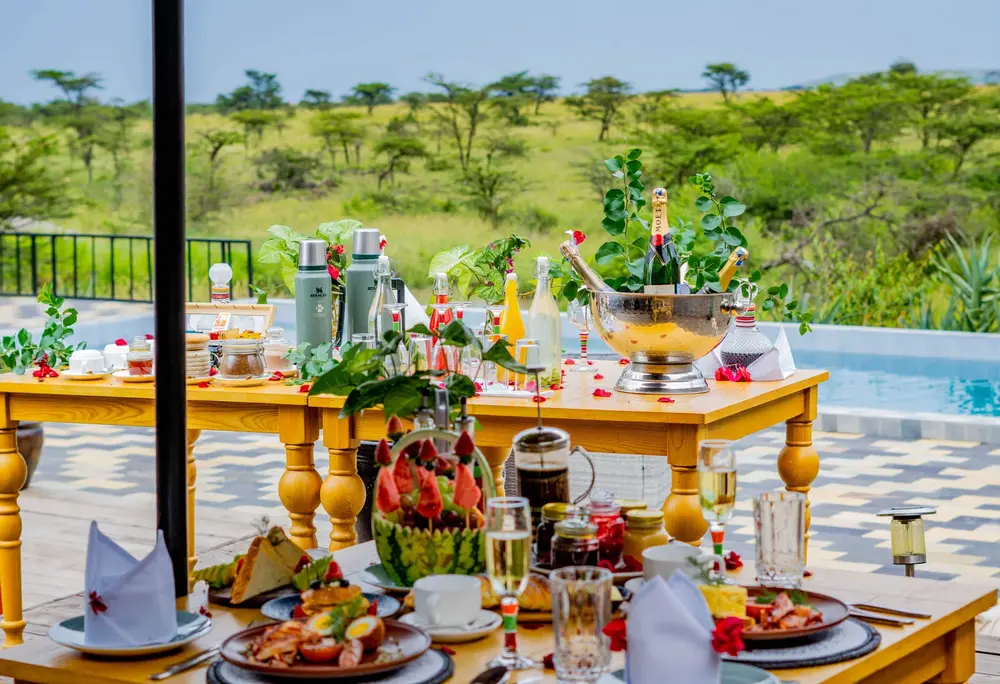
An African bush breakfast is a specially arranged outdoor dining experience that allows safari travellers to enjoy their morning meal in a natural setting rather than inside a traditional lodge restaurant. The experience usually begins with an early morning game drive, when wildlife is often active and temperatures are cooler.…
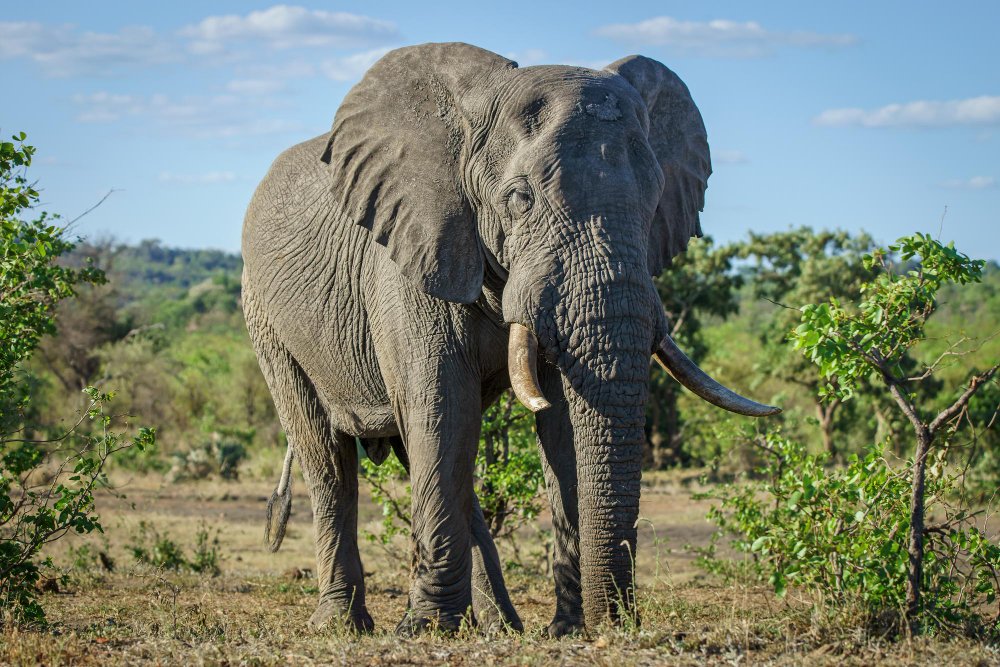
Game drives in Kenya are among the most exciting activities to enjoy during an African safari holiday. Kenya is home to famous wildlife destinations such as the Masai Mara National Reserve, Amboseli National Park, Tsavo East, Tsavo West, Lake Nakuru, Nairobi National Park, Samburu National Reserve and several lesser-known parks.…
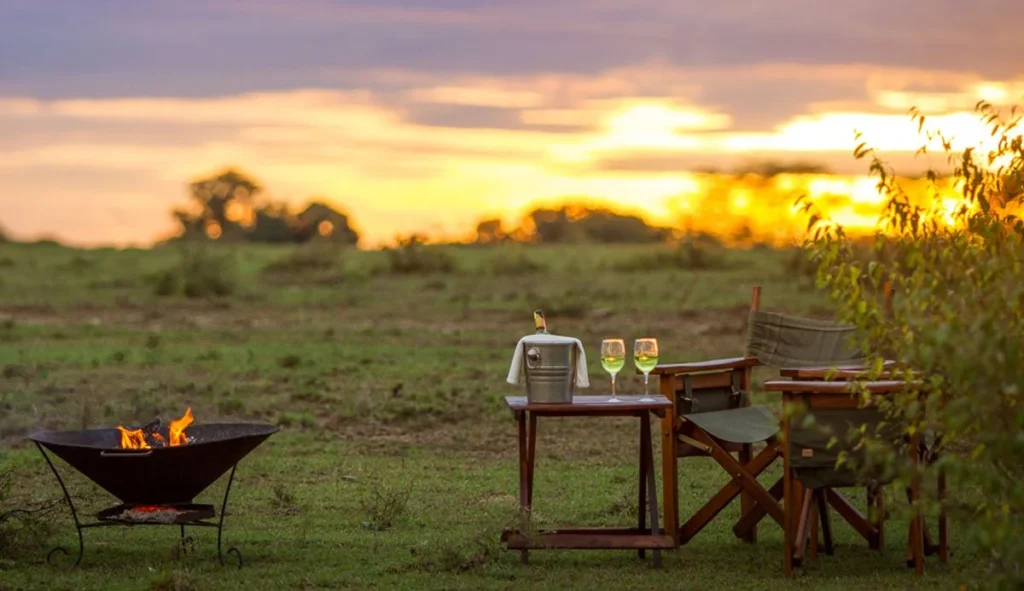
For travellers planning African safari holidays from the UK, a Kenya safari sundowner offers an opportunity to relax after an exciting day of wildlife viewing. Imagine watching the golden sun disappear behind the Masai Mara plains, enjoying views of Mount Kilimanjaro from the Amboseli ecosystem or sitting beside a campfire…
Bird Watching in Kenya – Complete Guide to the Best Birding Destinations, Species and Safari Experiences
Bird watching in Kenya is one of Africa’s most rewarding wildlife experiences, with more than 1,100 recorded bird species found across the country’s national parks, wetlands, forests, lakes, mountains and coastal habitats. From flamingos and African fish eagles in the Great Rift Valley to colourful bee-eaters, kingfishers, hornbills and rare forest birds, Kenya offers exceptional opportunities for beginners, professional birdwatchers and wildlife photographers.
Some of the best places for bird watching in Kenya include Lake Nakuru National Park, Lake Naivasha, Lake Baringo, Kakamega Forest, Arabuko-Sokoke Forest, Samburu National Reserve, the Masai Mara, Amboseli National Park and Nairobi National Park.
For travellers planning African safari holidays from the UK, a bird watching safari in Kenya can be combined with traditional wildlife game drives, nature walks, boat excursions and photography experiences. Kenya’s varied habitats make it possible to observe hundreds of different bird species during a carefully planned multi-destination itinerary.
This guide explores Kenya’s leading birding destinations, famous bird species, the best time for bird watching, recommended safari itineraries, bird photography, essential equipment and practical travel advice.
Important Details About Bird Watching in Kenya
- Activity: Guided bird watching, bird photography and nature observation.
- Bird Diversity: Approximately 1,140 recorded species, depending on the checklist and taxonomy used.
- Best Birding Destinations: Lake Nakuru, Lake Naivasha, Lake Baringo, Lake Bogoria, Kakamega Forest, Arabuko-Sokoke Forest, Samburu, Amboseli and the Masai Mara.
- Best Time for Migratory Birds: Generally October to April.
- Best Time for General Bird Watching: Throughout the year.
- Best Time of Day: Early morning and late afternoon.
- Popular Birds: Flamingos, African fish eagles, kingfishers, bee-eaters, hornbills, ostriches, pelicans and crowned cranes.
- Rare Birds: Taita thrush, Taita apalis, Sharpe’s longclaw, Clarke’s weaver and Sokoke scops owl.
- Main Habitats: Freshwater lakes, alkaline lakes, wetlands, savannahs, tropical forests, mountains and coastal woodlands.
- Recommended Duration: 1–3 days for introductory birding or 7–14 days for specialist birding tours.
- Recommended Equipment: Binoculars, bird identification guide, camera, notebook and comfortable outdoor clothing.
- Birding Guides: Specialist local guides are recommended, particularly for rare species.
- Suitable For: Beginners, experienced birdwatchers, photographers, families and wildlife enthusiasts.
- Safari Combination: Bird watching can be combined with Big Five safaris, nature walks, boat safaris and Kenya beach holidays.
Why Is Kenya One of Africa’s Best Bird Watching Destinations?
Kenya is one of Africa’s leading bird watching destinations because of its remarkable range of habitats and high bird diversity.
The country stretches from the Indian Ocean coast to the highlands of Mount Kenya, the Great Rift Valley, tropical forests and the dry landscapes of northern Kenya.
Each environment supports different bird communities.
The Great Rift Valley lakes attract flamingos, pelicans, herons and other waterbirds. The Masai Mara supports grassland birds and birds of prey, while Kakamega Forest is known for tropical forest species.
Northern Kenya offers opportunities to observe dry-country birds that are less common in the country’s southern wildlife destinations.
Kenya is also located along important bird migration routes between Europe, Asia and Africa.
During the northern winter, many migratory species arrive in Kenya, increasing the variety of birds visitors may encounter.
This combination of resident birds, migratory species and specialised habitats makes Kenya an excellent destination for bird watching holidays.
Best Places for Bird Watching in Kenya
1. Lake Nakuru National Park – Flamingos and Waterbirds
Lake Nakuru National Park is one of Kenya’s best-known bird watching destinations.
Located in the Great Rift Valley, approximately 160 kilometres northwest of Nairobi, the park is famous for its alkaline lake, woodland habitats and surrounding grasslands.
Lake Nakuru has historically been associated with large concentrations of flamingos.
Both greater and lesser flamingos may occur, although their numbers change significantly according to water levels, salinity and food availability.
Visitors should not assume that the lake will always contain enormous flamingo flocks.
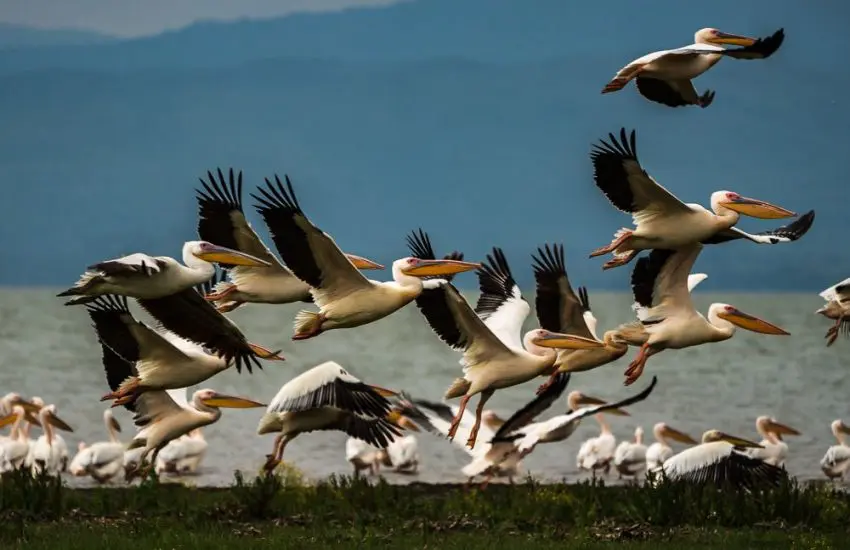
Other birds associated with Lake Nakuru include pelicans, African fish eagles, herons, cormorants, kingfishers and various waterbirds.
The surrounding woodland and grassland habitats also support many other species.
Bird watching can be combined with wildlife game drives, offering opportunities to see rhinos, buffaloes, giraffes and other animals.
2. Lake Naivasha – Freshwater Bird Watching
Lake Naivasha is one of Kenya’s most accessible freshwater birding destinations.
Located approximately 90 kilometres northwest of Nairobi, the lake supports diverse waterbirds and woodland species.
African fish eagles are among the most famous birds associated with Lake Naivasha.
Visitors may also observe cormorants, herons, egrets, kingfishers, pelicans and various other waterbirds.
Boat excursions provide opportunities to observe birds along the shoreline and surrounding vegetation.
The lake’s papyrus beds and wetlands create important habitats for aquatic birds.
Lake Naivasha is particularly suitable for beginners because bird watching can be combined with comfortable lakeside accommodation and other activities.
Visitors can also explore nearby Crescent Island and Hell’s Gate National Park.
3. Lake Baringo – One of Kenya’s Leading Birding Hotspots
Lake Baringo is a popular destination for serious birdwatchers.
Located in Kenya’s Great Rift Valley, the lake is surrounded by dry woodland, rocky hills and freshwater habitats.
This combination supports a wide range of bird species.
Visitors may encounter kingfishers, hornbills, bee-eaters, herons, fish eagles and several owl species.
Lake Baringo is particularly rewarding because birdwatchers can explore different habitats within a relatively small area.
Local birding guides can help visitors locate birds that are difficult to identify without specialist knowledge.
Boat excursions may provide additional opportunities to observe waterbirds.
Lake Baringo is often included in specialist Kenya birding itineraries alongside Lake Nakuru and Lake Bogoria.
4. Lake Bogoria – Flamingo Watching in Kenya
Lake Bogoria is one of Kenya’s most important alkaline lakes for flamingo viewing.
The lake is located in the Great Rift Valley and is famous for its hot springs, geothermal activity and dramatic scenery.
Lesser flamingos may gather in large numbers when suitable feeding conditions are present.
These birds feed primarily on microscopic organisms found in alkaline lake environments.
Flamingo concentrations change according to environmental conditions and food availability.
The lake also supports other waterbirds and species associated with the surrounding dry landscapes.
Lake Bogoria is particularly attractive for photographers interested in flamingos and landscape photography.
5. Kakamega Forest – Tropical Forest Bird Watching
Kakamega Forest is one of Kenya’s most important destinations for forest bird watching.
Located in western Kenya, the forest represents a surviving fragment of the tropical rainforest ecosystem associated with Central Africa.
Its dense vegetation, tall trees and forest clearings support bird species that are difficult to find in open savannah destinations.
Birdwatchers may encounter great blue turacos, hornbills, forest flycatchers, greenbuls and other forest specialists.
The forest is also associated with rare and localised species such as Turner’s eremomela.
Guided forest walks are particularly rewarding because many birds remain hidden in the canopy.
Experienced birding guides often identify species through their calls before locating them visually.
Kakamega is recommended for dedicated birdwatchers interested in tropical forest species.
6. Arabuko-Sokoke Forest – Rare Coastal Birds
Arabuko-Sokoke Forest is one of Kenya’s most important coastal birding destinations.
Located near Watamu and Malindi, the forest supports rare and threatened bird species.
It is particularly famous for the Sokoke scops owl, Clarke’s weaver, Sokoke pipit and other coastal forest specialists.
The forest contains different vegetation types, including mixed forest and woodland.
Each habitat supports different bird communities.
Visitors should arrange guided birding walks with knowledgeable local guides.
Some rare species are difficult to locate and may require careful planning.
Arabuko-Sokoke can be combined with a beach holiday in Watamu, Malindi or other destinations along Kenya’s coast.
7. Masai Mara National Reserve – Savannah Birds and Raptors
The Masai Mara is famous for lions, elephants, cheetahs and the Great Wildebeest Migration, but it is also an excellent bird watching destination.
The reserve’s grasslands, rivers, woodland patches and wetlands support a wide range of birds.
Visitors may observe secretarybirds, kori bustards, ostriches, vultures, eagles and colourful bee-eaters.
Birds of prey are particularly interesting because the Masai Mara supports several raptor species.
The reserve’s open landscapes make many larger birds relatively easy to observe during game drives.
Bird watching in the Masai Mara can be combined with traditional wildlife viewing.
Travellers who want a more specialised experience can request a driver-guide with strong bird identification skills.
8. Amboseli National Park – Wetland and Grassland Birds
Amboseli National Park is located in southern Kenya near the Tanzanian border.
The park is famous for elephants and views of Mount Kilimanjaro, but its wetlands and open plains also provide excellent bird watching opportunities.
Visitors may encounter pelicans, herons, egrets, kingfishers, African jacanas and other waterbirds.
The grasslands support species such as ostriches, bustards and various birds of prey.
Observation Hill provides an elevated viewpoint overlooking the park’s wetlands and surrounding plains.
Birdwatchers can combine wildlife game drives with scenic stops and bird photography.
Amboseli is particularly suitable for travellers who want to combine elephant viewing with bird watching.
9. Samburu National Reserve – Northern Kenya Bird Species
Samburu National Reserve is one of Kenya’s most rewarding destinations for dry-country bird watching.
Located in northern Kenya, the reserve features semi-arid landscapes, acacia woodland and the Ewaso Ng’iro River.
Its birdlife differs from that found in wetter parts of Kenya.
Visitors may observe Somali ostriches, vulturine guineafowl, golden-breasted starlings, hornbills and various other northern species.
The riverine vegetation supports additional birds, including kingfishers and other species associated with water.
Samburu is an excellent destination for photographers interested in colourful birds and unusual wildlife.
10. Nairobi National Park – Bird Watching Near Nairobi
Nairobi National Park is one of the most convenient birding destinations for travellers arriving in Kenya.
Located close to Nairobi’s city centre, the park supports grasslands, wetlands, woodland and other habitats.
Birdwatchers may observe ostriches, secretarybirds, bustards, raptors and various smaller grassland birds.
The park is suitable for half-day and full-day bird watching excursions.
It is particularly useful for travellers who have limited time before or after their international flights.
Bird watching can also be combined with wildlife game drives in search of lions, rhinos, giraffes and other animals.
11. Aberdare National Park and Kinangop Plateau
The Aberdare Mountains and surrounding highlands offer opportunities to observe birds associated with montane forests and high-altitude grasslands.
The region is particularly important for species such as the Aberdare cisticola and Sharpe’s longclaw.
The Kinangop Plateau is an important area for highland grassland birds.
Birdwatchers may also encounter sunbirds, spurfowls, cisticolas and other highland species.
The region is particularly rewarding for experienced birdwatchers interested in Kenya’s endemic birds.
12. Mount Kenya Forest and Alpine Habitats
Mount Kenya supports bird species associated with montane forests, bamboo zones, moorland and high-altitude environments.
Birdwatchers may observe sunbirds, turacos, forest birds and other species adapted to mountain habitats.
Different elevations support different bird communities.
Birding excursions can be arranged in accessible forest areas without requiring a full mountain climb.
More demanding routes may involve longer walks and changing weather conditions.
13. Taita Hills – Rare Endemic Birds
The Taita Hills in southeastern Kenya are particularly important for conservation-focused bird watching.
The remaining forest fragments support rare species such as the Taita thrush, Taita apalis and Taita white-eye.
These birds are associated with restricted habitats and face conservation pressures.
Specialist birdwatchers visit the area to observe species that are difficult to find elsewhere.
Birding should be arranged with experienced local guides who understand access restrictions and sensitive habitats.
14. Watamu and Mida Creek – Coastal and Migratory Birds
Watamu and Mida Creek offer excellent opportunities to observe coastal birds.
The area’s mangroves, mudflats and tidal habitats attract shorebirds and migratory species.
Visitors may encounter crab-plovers, sandpipers, plovers, terns, herons and other coastal birds.
The best viewing conditions depend on the tides and seasonal migration patterns.
Bird watching can be combined with beach holidays, marine excursions and visits to Arabuko-Sokoke Forest.
Famous Birds to See in Kenya
Flamingos
Flamingos are among Kenya’s most recognisable birds.
Greater and lesser flamingos occur in the country’s Rift Valley lakes.
Their pink colouring and feeding behaviour make them popular with photographers.
Lake Bogoria and Lake Nakuru are well-known flamingo destinations, although numbers vary.
African Fish Eagle
The African fish eagle is one of Kenya’s most impressive birds of prey.
It is commonly associated with lakes and rivers.
Its distinctive call is often heard around Lake Naivasha and other freshwater habitats.
Lilac-Breasted Roller
The lilac-breasted roller is one of Kenya’s most colourful birds.
It is commonly seen perched on branches in open woodland and savannah areas.
Its bright blue, lilac and green plumage makes it a favourite among wildlife photographers.
Secretarybird
The secretarybird is a distinctive long-legged bird of prey associated with open grasslands.
It is known for hunting on the ground and feeding on various small animals.
The Masai Mara and other savannah habitats provide opportunities to observe this remarkable bird.
Kori Bustard
The kori bustard is one of the world’s heaviest flying birds.
It inhabits open grasslands and dry savannah landscapes.
Its large size and slow movements make it a memorable species to observe during wildlife safaris.
Grey Crowned Crane
The grey crowned crane is famous for its beautiful golden crown of feathers.
It is associated with grasslands, wetlands and agricultural landscapes.
The species is an important conservation concern because of habitat loss and other threats.
Vulturine Guineafowl
The vulturine guineafowl is one of northern Kenya’s most distinctive birds.
Its striking blue plumage and unusual appearance make it popular among birdwatchers.
Samburu and surrounding northern reserves are good places to search for this species.
Kingfishers
Kenya supports several kingfisher species.
These birds occur around lakes, rivers, wetlands and woodland habitats.
Some feed mainly on fish, while others hunt insects and small terrestrial animals.
Bee-Eaters
Bee-eaters are colourful birds that often catch flying insects.
Their bright plumage and graceful flight make them attractive subjects for photography.
Different species occur across Kenya’s savannahs, woodlands and riverine habitats.
Hornbills
Hornbills are distinctive birds known for their large bills.
Kenya supports several species across woodland, forest and dry-country habitats.
They are particularly interesting to birdwatchers because of their feeding behaviour and calls.
Rare and Endemic Birds of Kenya
Kenya supports several bird species that occur naturally only within the country.
These endemic species are particularly important for conservation and specialist birding tours.
Sharpe’s longclaw is associated with highland grasslands in central Kenya.
The Taita thrush, Taita apalis and Taita white-eye are associated with the Taita Hills.
Clarke’s weaver occurs in coastal forest habitats, including Arabuko-Sokoke.
The Aberdare cisticola is associated with high-altitude grassland environments.
Hinde’s babbler is another Kenyan endemic found in suitable habitats in central Kenya.
Some birds commonly described as Kenyan specialities, such as the Sokoke scops owl, also occur outside Kenya and should not be confused with strictly endemic species.
Observing rare birds requires patience, suitable timing and specialist local guiding.
Best Time for Bird Watching in Kenya
Kenya offers rewarding bird watching throughout the year.
However, the best time depends on whether travellers are interested in resident birds, migratory species, breeding activity or particular habitats.
January to March
January to March is a rewarding period for bird watching in many parts of Kenya.
Migratory birds from Europe and Asia may be present.
Relatively dry conditions in some regions can make outdoor activities more comfortable.
April to May
April and May are commonly associated with Kenya’s long rainy season.
Rainfall encourages vegetation growth and may support breeding activity among some resident birds.
Forest birding can be rewarding, although trails may become muddy and access more difficult.
June to September
June to September is popular for traditional Kenya wildlife safaris.
Bird watching remains rewarding, particularly for resident species.
These months can be suitable for combining birding with Big Five game drives.
October to December
October to December is an important period for migratory bird arrivals.
Many species travelling from Europe and Asia begin appearing in suitable habitats.
The short rains may also create favourable conditions for certain resident birds.
Best Time of Day for Bird Watching
Early morning is generally the best time for bird watching in Kenya.
Many birds become active shortly after sunrise, feeding, calling and moving through their habitats.
The cooler temperatures also make walking and photography more comfortable.
Late afternoon can provide another rewarding birding period.
Forest birding may depend on species-specific activity patterns, while wetland birding can be influenced by water levels and tides.
For specialist tours, guides may recommend different schedules according to the target birds.
Bird Watching Activities in Kenya
Guided Bird Watching Walks
Guided walks are particularly rewarding in forests, wetlands and other approved nature areas.
An experienced birding guide can help identify species through their appearance, behaviour and calls.
Walking also allows visitors to observe smaller birds that may be difficult to see during vehicle-based safaris.
Bird Watching Game Drives
Birding game drives are popular in national parks and reserves.
Travellers use safari vehicles to explore grasslands, woodland and wetland habitats.
This approach is particularly suitable for the Masai Mara, Amboseli, Samburu and Nairobi National Park.
Boat Bird Watching Safaris
Boat excursions provide opportunities to observe waterbirds.
Lake Naivasha and Lake Baringo are popular destinations for guided boat birding.
Guests may observe fish eagles, herons, kingfishers and other birds along the shoreline.
Boat trips should be arranged with qualified operators using appropriate safety equipment.
Forest Birding Experiences
Forest birding focuses on species associated with dense vegetation.
Kakamega Forest and Arabuko-Sokoke Forest are particularly rewarding destinations.
These excursions often require patience because birds may remain hidden in the canopy.
Bird Photography Safaris
Bird photography safaris focus on observing and photographing birds in natural habitats.
Travellers may use telephoto lenses, binoculars and specialist guiding.
The itinerary can be adjusted to allow more time at suitable photography locations.
How Much Does Bird Watching in Kenya Cost?
The cost of bird watching in Kenya depends on the destination, number of days, accommodation category, group size and guiding arrangements.
A short birding excursion near Nairobi may be relatively affordable, while a specialist multi-day tour covering several regions will cost more.
Typical expenses may include national park entrance fees, private transport, specialist birding guides, accommodation, meals and boat excursions.
Specialist birding guides may charge separately from general safari driver-guides.
There is no single standard price for bird watching tours across Kenya.
Travellers should request a detailed quotation based on their preferred destinations and target species.
Park and reserve entrance fees should be confirmed before travel because official rates can change.
What to Pack for a Bird Watching Safari in Kenya
Binoculars are among the most important items for a bird watching safari.
A good pair allows visitors to observe birds without approaching them too closely.
A bird identification guide or reliable birding application can help identify species.
A notebook is useful for recording sightings.
Photographers may wish to carry a camera with a telephoto lens.
Comfortable walking shoes are recommended for forest trails and nature walks.
Lightweight clothing in neutral colours can help visitors remain less conspicuous.
A hat, sunscreen, drinking water and insect repellent are also useful.
For early morning birding in highland destinations, a warm jacket may be necessary.
Bird Watching Safety and Conservation
Bird watching should be conducted responsibly to protect wildlife and sensitive habitats.
Visitors should remain on designated trails and follow instructions from local guides.
Birds should not be disturbed while nesting or feeding.
Avoid approaching nests or handling eggs and chicks.
Flash photography should be avoided where it could disturb wildlife.
Recorded bird calls should not be played excessively to attract birds, particularly threatened or breeding species.
Visitors should respect local conservation rules and avoid leaving litter.
In national parks, travellers must follow the applicable restrictions on leaving safari vehicles.
Responsible bird watching supports conservation and helps protect Kenya’s biodiversity.
Recommended Kenya Bird Watching Safari Itineraries
3 Days Lake Naivasha, Lake Nakuru and Lake Baringo Birding Safari
Day 1: Nairobi to Lake Naivasha
Depart Nairobi in the morning and travel through the Great Rift Valley towards Lake Naivasha. Enjoy an afternoon bird watching excursion around the lake, with opportunities to observe African fish eagles, kingfishers, herons and other waterbirds. Overnight at a lakeside lodge.
Day 2: Lake Naivasha to Lake Nakuru
After breakfast, travel to Lake Nakuru National Park for bird watching and wildlife viewing. Explore the lake shoreline and surrounding habitats, searching for flamingos, pelicans, raptors and other birds. Overnight in Nakuru.
Day 3: Lake Nakuru to Lake Baringo and Return
Depart early for Lake Baringo and enjoy a guided bird watching excursion. Explore suitable habitats around the lake before beginning the return journey to Nairobi. This is a long travel day, so adding an overnight stay at Lake Baringo is recommended for more rewarding birding.
5 Days Kenya Bird Watching Safari
Day 1: Nairobi National Park
Enjoy a bird watching game drive in Nairobi National Park, searching for grassland birds, raptors, ostriches and other species. Overnight in Nairobi.
Day 2: Nairobi to Lake Naivasha
Travel to Lake Naivasha for a guided bird watching excursion. Enjoy opportunities to observe fish eagles, kingfishers and waterbirds. Overnight near the lake.
Day 3: Lake Naivasha to Lake Nakuru
Continue to Lake Nakuru National Park for bird watching and wildlife viewing. Explore the park’s wetlands and woodland habitats. Overnight in Nakuru.
Day 4: Lake Nakuru to Lake Baringo
Travel to Lake Baringo for specialist bird watching. Explore the surrounding dry woodland and lakeside habitats with a local guide. Overnight near Lake Baringo.
Day 5: Lake Baringo to Nairobi
Enjoy an early morning birding session before travelling back to Nairobi.
7 Days Kenya Bird Watching and Wildlife Safari
Day 1: Arrival in Nairobi
Arrive at Jomo Kenyatta International Airport and transfer to your hotel.
Day 2: Nairobi National Park Bird Watching
Explore Nairobi National Park, focusing on grassland birds, raptors and wetland species.
Day 3: Nairobi to Lake Naivasha
Travel to Lake Naivasha and enjoy an afternoon bird watching excursion.
Day 4: Lake Naivasha to Lake Nakuru
Explore Lake Nakuru National Park, combining bird watching with wildlife game drives.
Day 5: Lake Nakuru to Masai Mara
Travel to the Masai Mara and enjoy an afternoon wildlife and bird watching game drive.
Day 6: Full-Day Masai Mara Bird Watching
Spend the day exploring the Masai Mara, looking for secretarybirds, bustards, vultures, eagles and colourful savannah birds.
Day 7: Masai Mara to Nairobi
After breakfast, return to Nairobi.
Bird Watching Holidays from the UK
Travellers planning bird watching holidays from England can explore Kenya’s diverse habitats through private guided itineraries. Visitors from London, Manchester, Birmingham, Liverpool and Bristol can combine bird watching with traditional wildlife safaris.
For travellers from Scotland, Kenya offers opportunities to observe tropical forest birds, Rift Valley waterbirds and African savannah species. Visitors from Edinburgh, Glasgow, Aberdeen and Dundee can enjoy specialist birding tours with knowledgeable guides.
Travellers from Wales can combine bird watching with Kenya wildlife holidays and beach extensions. Visitors from Cardiff, Swansea and Newport can explore destinations such as Lake Naivasha, Lake Nakuru, the Masai Mara and Arabuko-Sokoke Forest.
Visitors from Northern Ireland can also enjoy personalised Kenya bird watching holidays. Travellers from Belfast, Derry/Londonderry and surrounding areas can combine guided birding activities with comfortable accommodation and wildlife safaris.
Frequently Asked Questions About Bird Watching in Kenya
Is Kenya good for bird watching?
Yes. Kenya is one of Africa’s leading bird watching destinations, with approximately 1,140 recorded bird species across diverse habitats.
How many bird species are found in Kenya?
Approximately 1,140 species have been recorded in Kenya, although the total varies depending on the checklist and taxonomic classification used.
Where is the best place for bird watching in Kenya?
The best destination depends on the species you want to observe. Lake Nakuru and Lake Bogoria are famous for flamingos, Kakamega Forest for tropical forest birds, Samburu for dry-country species and Arabuko-Sokoke for rare coastal birds.
What is the best month for bird watching in Kenya?
Bird watching is rewarding throughout the year. October to April is particularly attractive for visitors interested in migratory birds.
Where can I see flamingos in Kenya?
Lake Bogoria and Lake Nakuru are among Kenya’s best-known flamingo destinations, although flock sizes vary according to environmental conditions.
Can I see rare birds in Kenya?
Yes. Kenya supports rare and endemic birds such as the Taita thrush, Taita apalis, Sharpe’s longclaw and Clarke’s weaver.
Is bird watching suitable for beginners?
Yes. Beginners can enjoy bird watching in destinations such as Lake Naivasha, Nairobi National Park and the Masai Mara.
Do I need a specialist birding guide?
A specialist guide is recommended for travellers interested in identifying many species or searching for rare birds.
Can I combine bird watching with a Big Five safari?
Yes. Bird watching can be combined with traditional wildlife safaris in the Masai Mara, Amboseli, Lake Nakuru and other destinations.
Can children enjoy bird watching in Kenya?
Yes. Bird watching is suitable for families and can help children learn about wildlife and conservation.
What equipment do I need for bird watching?
Binoculars, comfortable walking shoes, a bird identification guide, camera and notebook are useful.
How many days do I need for a Kenya bird watching safari?
Three to five days can provide an introduction, while seven to fourteen days allows travellers to explore several habitats and specialist birding destinations.
Is bird watching possible near Nairobi?
Yes. Nairobi National Park and other accessible natural areas provide bird watching opportunities close to the city.
Can I combine bird watching with a Kenya beach holiday?
Yes. Coastal birding destinations such as Arabuko-Sokoke Forest and Mida Creek can be combined with beach holidays in Watamu, Malindi or Mombasa.
Is bird watching in Kenya worth it?
Yes. Kenya offers remarkable bird diversity, beautiful landscapes and opportunities to observe both common and rare species.
Book Your Kenya Bird Watching Safari with African Safari Holiday
Discover Kenya’s remarkable birdlife with African Safari Holiday. Explore the Rift Valley lakes, tropical forests, open savannahs and coastal habitats while enjoying personalised bird watching experiences.
Whether you are planning bird watching holidays from London, specialist Kenya birding tours from Manchester, African wildlife holidays from Scotland, nature holidays from Wales or private Kenya safaris from Northern Ireland, African Safari Holiday can help you create an itinerary suited to your interests.
Our tailor-made Kenya bird watching packages can include specialist birding guides, private safari vehicles, comfortable accommodation, boat excursions, nature walks and wildlife game drives.
From colourful bee-eaters and kingfishers to rare forest birds and impressive birds of prey, Kenya offers unforgettable experiences for every birdwatcher.
Plan Your Kenya Bird Watching Holiday Today
Contact African Safari Holiday to request a personalised bird watching safari quotation. Share your preferred travel dates, number of travellers, target bird species and accommodation preferences, and our team can help you plan a suitable itinerary.
Experience Kenya’s extraordinary birdlife, beautiful landscapes and unforgettable wildlife encounters with African Safari Holiday.
Important details
- Kenya is one of Africa’s top birdwatching destinations, with more than 1,100 recorded bird species.
- The country’s diverse habitats, including savannahs, forests, mountains, wetlands, lakes, and coastal areas, support a remarkable variety of birdlife.
- Kenya is home to both resident and migratory bird species, attracting birdwatchers from around the world.
- The best birdwatching seasons are generally from November to April, when migratory birds from Europe and Asia are present.
- Lake Nakuru National Park is famous for its large numbers of flamingos and over 450 bird species.
- Lake Naivasha is one of the best places to see fish eagles, kingfishers, cormorants, herons, and pelicans
- Kakamega Forest is Kenya’s only tropical rainforest and is home to many rare forest bird species.
- Arabuko Sokoke Forest along the Kenyan coast hosts several bird species found nowhere else in the country.
- Samburu National Reserve is known for dry-country bird species and impressive birds of prey.
- The Maasai Mara is not only famous for wildlife but also for more than 500 bird species, including vultures, eagles, secretary birds, and ostriches.
- Kenya’s Rift Valley lakes are internationally recognized as important bird habitats.
- Birdwatchers can see some of Africa’s largest birds, including ostriches, kori bustards, and ground hornbills.
African bush breakfast
An African bush breakfast is a specially arranged outdoor dining experience that allows safari travellers to enjoy their morning meal in a natural setting rather than inside a traditional lodge restaurant.
The experience usually begins with an early morning game drive, when wildlife is often active and temperatures are cooler. After exploring the surrounding landscape, guests arrive at a designated breakfast location prepared by the lodge or safari team.
Depending on the accommodation, the setup may include a dining table, comfortable chairs, table linen, freshly prepared food and attentive service.
Some lodges offer simple picnic breakfasts, while luxury properties provide elaborate dining arrangements with chefs, waiters and personalised menus.
The main attraction is the opportunity to enjoy breakfast in the peaceful African wilderness, with beautiful views and natural sounds creating a memorable atmosphere.
Why Are Bush Breakfasts Popular During Kenya Safaris?
Bush breakfasts offer a different experience from traditional lodge dining.
Rather than returning to the lodge after an early morning game drive, visitors can enjoy their breakfast outdoors while continuing to appreciate the natural surroundings.
The experience is particularly memorable because the African wilderness is often peaceful during the early morning hours.
Birdsong, cool morning air, soft sunlight and wide-open landscapes create a beautiful setting.
For photographers, a bush breakfast offers opportunities to capture the colours of the morning landscape.
For couples, it provides a romantic and relaxing experience.
For families, it offers a memorable outdoor activity that can be enjoyed together.
Luxury safari travellers often appreciate the personalised service and exclusive atmosphere of a private bush breakfast.
Best Places for African Bush Breakfasts in Kenya
1. Masai Mara Bush Breakfast Experiences
The Masai Mara is one of Kenya’s most popular destinations for African bush breakfasts.
Its extensive grasslands, rolling hills, acacia trees and wildlife-rich landscapes provide beautiful outdoor dining settings.
Bush breakfasts are commonly arranged through safari camps and lodges in the Masai Mara ecosystem.
Private conservancies such as Mara North, Olare Motorogi, Mara Naboisho and Ol Kinyei are particularly well suited to personalised outdoor experiences, subject to their individual rules and approved locations.
Guests may begin the morning with a game drive in search of lions, elephants, giraffes, buffaloes, cheetahs and other wildlife.
After the game drive, the guide travels to a designated breakfast location where the lodge team has prepared the meal.
Depending on the package, guests may enjoy freshly cooked eggs, pastries, fruit, tea, coffee and other breakfast favourites.
The experience is particularly popular among honeymooners and travellers celebrating special occasions.
Bush breakfasts within the main Masai Mara National Reserve must comply with reserve regulations, including restrictions on leaving vehicles outside designated picnic areas.
2. Amboseli Bush Breakfast Experiences
Amboseli National Park is famous for its large elephant herds, open plains and spectacular views of Mount Kilimanjaro.
These landscapes create a memorable setting for an African bush breakfast.
Selected safari lodges in Amboseli offer organised outdoor breakfast experiences at approved locations.
For example, Amboseli Serena Safari Lodge advertises a bush breakfast following a morning game drive, featuring a freshly prepared breakfast in a scenic outdoor setting.
Guests may enjoy views of the surrounding plains while appreciating the peaceful atmosphere of the park.
On clear mornings, Mount Kilimanjaro can provide an impressive background.
However, mountain visibility depends on cloud cover and weather conditions.
Bush breakfasts in Amboseli are particularly suitable for couples, families and travellers interested in elephant photography.
3. Samburu Bush Breakfast Experiences
Samburu offers a distinctive bush breakfast setting in northern Kenya.
The region is characterised by semi-arid landscapes, rocky hills, acacia trees and the Ewaso Ng’iro River.
Selected safari camps and private conservancies may arrange breakfast experiences at scenic outdoor locations.
Guests can combine an early morning game drive with a relaxing breakfast overlooking the surrounding wilderness.
Samburu is famous for wildlife such as Grevy’s zebra, reticulated giraffe, gerenuk, Beisa oryx and Somali ostrich.
A bush breakfast provides an opportunity to enjoy the region’s scenery while experiencing the hospitality of a safari camp.
4. Laikipia Bush Breakfast Experiences
Laikipia is one of Kenya’s leading destinations for private conservancy safaris and luxury outdoor experiences.
Its landscapes include open plains, rolling hills, rocky outcrops and views towards Mount Kenya.
Selected safari properties arrange private bush breakfasts as part of their guest activities.
These experiences may include a prepared breakfast table, fresh refreshments and personalised service.
Laikipia is particularly suitable for travellers seeking exclusive safari experiences and quieter wilderness settings.
Bush breakfasts can be combined with conservation activities, wildlife game drives and guided nature experiences.
5. Ol Pejeta Conservancy Bush Breakfasts
Ol Pejeta Conservancy is a well-known wildlife conservation destination near Nanyuki.
The conservancy is famous for its rhino conservation work, wildlife habitats and views towards Mount Kenya.
Visitors staying at selected safari properties may be able to arrange outdoor breakfast experiences at approved locations.
A bush breakfast can be combined with morning game drives and conservation-focused activities.
The exact location, menu and availability depend on the accommodation provider and conservancy regulations.
6. Lewa Wildlife Conservancy Bush Breakfasts
Lewa Wildlife Conservancy offers beautiful landscapes and a strong conservation focus.
Selected luxury safari properties in the Lewa area may arrange outdoor breakfast experiences for their guests.
The surrounding plains, hills and natural vegetation create an attractive setting for early morning dining.
Lewa is particularly suitable for travellers interested in luxury safari accommodation, rhino conservation and personalised wildlife experiences.
7. Tsavo Bush Breakfast Experiences
The Tsavo ecosystem offers dramatic landscapes, red-earth plains and beautiful wilderness scenery.
Selected safari lodges and properties in the wider Tsavo region may offer outdoor breakfast experiences.
These can include breakfasts on lodge terraces, scenic viewing decks or authorised outdoor locations.
Any bush breakfast inside Tsavo East or Tsavo West National Park must follow Kenya Wildlife Service regulations.
Visitors should confirm the approved location and activity arrangements before booking.
Types of African Bush Breakfast Experiences
Classic Bush Breakfast
A classic bush breakfast is usually arranged after an early morning game drive.
Guests arrive at a scenic location where a breakfast table has been prepared.
The meal may include tea, coffee, fresh fruit, bread, pastries and cooked breakfast dishes.
This experience is suitable for couples, families and small safari groups.
Luxury Bush Breakfast
A luxury bush breakfast offers a more elaborate outdoor dining arrangement.
Depending on the property, guests may enjoy a private dining table, freshly prepared meals, dedicated staff and premium refreshments.
Some luxury lodges provide a chef who prepares breakfast at the location.
This option is particularly popular during high-end Kenya safari holidays.
Romantic Bush Breakfast
A romantic bush breakfast is designed for couples who want to enjoy a private outdoor dining experience.
The setup may include flowers, decorative table arrangements, personalised refreshments and scenic views.
Romantic bush breakfasts are popular for honeymoons, anniversaries and proposals.
Family Bush Breakfast
A family bush breakfast provides an opportunity for parents and children to enjoy breakfast together in a natural setting.
Children may enjoy fresh fruit, pancakes, cereals, pastries and other familiar breakfast options.
The experience can be combined with a shorter morning game drive to suit younger travellers.
Birthday Bush Breakfast
A birthday bush breakfast can be arranged as part of a special celebration.
Depending on the lodge, the experience may include a birthday cake, decorations, a personalised message and a private breakfast setup.
Special arrangements should be requested in advance.
Hot-Air Balloon Safari Breakfast
A hot-air balloon safari breakfast is one of the most famous outdoor dining experiences in the Masai Mara.
Guests begin with an early morning balloon flight over the plains.
After landing, the balloon operator may arrange a breakfast at an approved location.
The meal is usually included in the balloon safari package when advertised as part of the experience.
A balloon breakfast differs from a standard lodge bush breakfast because it forms part of a separate balloon excursion.
What Food Is Served During an African Bush Breakfast?
The menu depends on the safari lodge, destination and type of breakfast package.
A typical bush breakfast may include freshly brewed Kenyan tea and coffee, fruit juices, tropical fruit, bread, toast and pastries.
Cooked dishes may include eggs, sausages, bacon, baked beans, grilled tomatoes and potatoes.
Some lodges also offer pancakes, cereals, yoghurt and other breakfast options.
Luxury arrangements may include made-to-order dishes prepared by a chef.
Visitors with vegetarian, vegan, gluten-free or other dietary requirements should notify their safari operator before travelling.
Food allergies should be communicated clearly so the lodge can confirm whether suitable arrangements are possible.
What Happens During a Bush Breakfast Safari?
A typical bush breakfast experience begins with an early morning departure from the safari lodge.
Guests meet their driver-guide and travel into the surrounding wildlife area.
The first part of the morning is spent enjoying a game drive.
Early morning is often a rewarding time for wildlife viewing because temperatures are cooler and some animals are more active.
After the game drive, the guide travels to the arranged breakfast location.
The safari team may already have prepared a table and refreshments.
Guests are welcomed to the breakfast area and invited to enjoy their meal.
Depending on the arrangement, breakfast may be served buffet-style, plated or prepared by a chef.
After breakfast, guests return to the safari vehicle and continue their activities or travel back to the lodge.
The entire experience may take several hours when combined with a morning game drive.
Best Time for a Bush Breakfast in Kenya
Bush breakfasts are usually enjoyed during the early morning hours.
Many experiences begin between approximately 7:00 am and 9:30 am, although exact times depend on the property and itinerary.
Early morning provides comfortable temperatures, beautiful natural light and opportunities for wildlife viewing.
The experience is particularly attractive when combined with a sunrise game drive.
During cooler months, visitors may need a fleece or jacket before the morning temperatures rise.
The lodge team will normally recommend a suitable schedule based on the destination, weather and local regulations.
Best Time of Year for African Bush Breakfasts
African bush breakfasts can be arranged throughout the year, although weather conditions influence the experience.
January to March
January to March often brings relatively dry conditions to many safari destinations in Kenya.
These months can offer clear morning skies and comfortable outdoor dining conditions.
April to May
April and May are commonly associated with Kenya’s long rainy season.
Rainfall may affect outdoor breakfast arrangements, and some lodges may provide alternative covered dining locations.
The landscapes are often greener during this period.
June to October
June to October is a popular period for Kenya wildlife safaris.
Bush breakfasts can be combined with wildlife viewing in the Masai Mara, Amboseli and other destinations.
Mornings may be cool, especially in higher-altitude areas.
November to December
November and December can bring short rains, although weather patterns vary.
Bush breakfasts remain possible when conditions allow.
These experiences can be particularly memorable during Christmas holidays, family safaris and end-of-year celebrations.
How Much Does an African Bush Breakfast Cost in Kenya?
The cost of a bush breakfast depends on the safari destination, accommodation provider, number of guests and services included.
Some luxury lodges include standard bush breakfasts in their accommodation packages.
Other properties charge separately for private breakfast setups, additional catering or exclusive locations.
A simple packed breakfast enjoyed at a designated picnic area may be included in the safari package.
A fully catered private bush breakfast with chefs, waiters, decorations and transport is generally more expensive.
There is no single standard price for bush breakfasts across Kenya.
Travellers should request a quotation from their safari operator or accommodation provider.
The quotation should clarify whether the price includes food, drinks, transport, guiding, setup, applicable activity charges and taxes.
Are African Bush Breakfasts Safe?
Bush breakfasts can be enjoyed safely when arranged by experienced safari professionals at approved locations.
Wildlife areas are natural environments where animals move freely.
The safari guide and lodge team must assess the location before guests leave their vehicles.
Visitors should remain within the designated breakfast area and follow all instructions from their guide.
Guests should never approach wild animals or walk into the surrounding bush without permission.
Food should not be offered to wildlife.
Children must remain under adult supervision throughout the experience.
Reputable operators should also follow appropriate food hygiene and waste disposal procedures.
Bush Breakfasts Inside National Parks vs Private Conservancies
There are important differences between organising a bush breakfast inside a national park and arranging one in a private conservancy.
National parks and reserves generally have stricter rules governing vehicle movements, picnic locations and where visitors may leave their vehicles.
In Kenya Wildlife Service-managed parks, visitors must remain inside their vehicles except at designated areas.
Private conservancies may provide greater flexibility for outdoor dining arrangements, depending on their management rules and approved activity locations.
However, private conservancies also have conservation and wildlife safety requirements.
Travellers should never assume that breakfast can be arranged anywhere in the wilderness.
The exact location must be approved by the relevant property or wildlife area management.
Bush Breakfast vs Bush Lunch vs Bush Dinner
A bush breakfast is an outdoor morning meal, usually enjoyed after an early game drive.
A bush lunch takes place around midday and may be included during a full-day safari.
A bush dinner is an evening outdoor dining experience, often arranged at a lodge or approved private location.
Bush dinners may include a full meal, decorative lighting and a campfire where permitted.
Bush breakfasts are particularly appealing because of the peaceful morning atmosphere and opportunities for early wildlife viewing.
African Bush Breakfasts for Honeymoon Safaris
A private bush breakfast is a memorable addition to a Kenya honeymoon safari.
Couples can enjoy a peaceful morning surrounded by beautiful scenery.
Selected luxury lodges can arrange a private table, personalised service and special refreshments.
The experience may be combined with a romantic sundowner, private bush dinner or hot-air balloon safari.
For couples celebrating anniversaries or proposals, a personalised bush breakfast can create a meaningful occasion.
All special arrangements should be confirmed before arrival.
What Should You Wear for a Bush Breakfast?
Comfortable safari clothing is recommended.
Neutral colours such as khaki, beige, olive and brown are practical for outdoor activities.
A light jacket or fleece is useful during cooler mornings.
Comfortable closed shoes are recommended because the ground may be uneven.
Visitors should also carry a sunhat, sunscreen, sunglasses and insect repellent.
A camera and binoculars can be useful for enjoying the surrounding scenery.
Recommended Kenya Safari Itineraries with Bush Breakfasts
3 Days Masai Mara Safari with Bush Breakfast
Day 1: Nairobi to Masai Mara
Depart Nairobi in the morning and travel through the Great Rift Valley towards the Masai Mara. Arrive at your safari camp for lunch and check-in. Enjoy an afternoon wildlife game drive before returning for dinner and overnight.
Day 2: Masai Mara Game Drive and Bush Breakfast
Depart early for a morning game drive. Explore the surrounding wildlife habitats before travelling to an approved bush breakfast location arranged by your lodge. Enjoy breakfast in the wilderness before continuing your safari activities. Return to camp later for relaxation and an afternoon game drive where included.
Day 3: Masai Mara to Nairobi
After breakfast, depart for Nairobi, arriving later in the day.
3 Days Amboseli Safari with Bush Breakfast
Day 1: Nairobi to Amboseli
Depart Nairobi and travel towards Amboseli National Park. Arrive at your lodge for lunch and check-in. Enjoy an afternoon game drive before returning for dinner and overnight.
Day 2: Amboseli Game Drive and Bush Breakfast
Begin the morning with a wildlife game drive in search of elephants, buffaloes, zebras and other animals. Continue to an approved bush breakfast location arranged by your lodge. Enjoy breakfast with views of the surrounding plains and, when conditions are clear, Mount Kilimanjaro. Continue with scheduled safari activities before returning to your accommodation.
Day 3: Amboseli to Nairobi
After breakfast, depart Amboseli for Nairobi.
5 Days Masai Mara and Lake Naivasha Luxury Safari
Day 1: Nairobi to Lake Naivasha
Depart Nairobi and travel to Lake Naivasha. Enjoy lunch and an optional boat safari before checking into your lakeside accommodation.
Day 2: Lake Naivasha to Masai Mara
After breakfast, travel towards the Masai Mara. Arrive for lunch and enjoy an afternoon game drive.
Day 3: Masai Mara Bush Breakfast Experience
Enjoy an early morning game drive followed by a private bush breakfast at an approved location. Continue with wildlife viewing before returning to your safari camp.
Day 4: Masai Mara Wildlife Safari
Spend the day exploring the Masai Mara ecosystem, searching for elephants, lions, cheetahs, giraffes and other wildlife.
Day 5: Masai Mara to Nairobi
After breakfast, return to Nairobi.
African Bush Breakfasts for Travellers from the UK
Travellers planning Kenya safari holidays from England can include African bush breakfasts in private wildlife itineraries covering the Masai Mara, Amboseli and Laikipia. Visitors from London, Manchester, Birmingham, Liverpool and Bristol can combine outdoor dining with luxury safari accommodation and guided wildlife experiences.
For travellers from Scotland, bush breakfasts offer a memorable addition to personalised African safari holidays. Visitors from Edinburgh, Glasgow, Aberdeen and Dundee can enjoy early morning game drives followed by outdoor dining in scenic wilderness settings.
Travellers from Wales can include bush breakfast experiences in Kenya honeymoon safaris, family wildlife holidays and private safari packages. Visitors from Cardiff, Swansea and Newport can enjoy personalised outdoor dining as part of longer Kenya itineraries.
Visitors from Northern Ireland can also enjoy African bush breakfasts during luxury Kenya safari holidays. Travellers from Belfast, Derry/Londonderry and surrounding areas can combine the experience with game drives, sundowners and other special safari activities.
Frequently Asked Questions About African Bush Breakfasts
What is an African bush breakfast?
An African bush breakfast is an outdoor breakfast served in a scenic wilderness setting, often after an early morning safari game drive.
Where can I enjoy a bush breakfast in Kenya?
Bush breakfasts are available through selected lodges and safari properties in the Masai Mara, Amboseli, Samburu, Laikipia and other wildlife destinations.
What time does a bush breakfast start?
Bush breakfasts commonly take place between 7:00 am and 9:30 am, depending on the safari schedule and accommodation provider.
How long does a bush breakfast last?
Most bush breakfasts last approximately 45–90 minutes, excluding the accompanying game drive.
Is a bush breakfast included in safari packages?
Some safari lodges include bush breakfasts in their accommodation packages, while others charge separately.
How much does a bush breakfast cost?
The price depends on the lodge, destination, group size and services included. Travellers should request a confirmed quotation.
Are bush breakfasts safe?
Bush breakfasts can be enjoyed safely when organised at approved locations by experienced guides and lodge staff.
Can children enjoy a bush breakfast?
Yes. Family-friendly bush breakfasts can be arranged at selected properties, subject to appropriate safety arrangements.
Can I arrange a private honeymoon bush breakfast?
Yes. Selected luxury safari lodges offer private bush breakfasts for honeymooners and couples celebrating special occasions.
What food is served during a bush breakfast?
Typical meals include tea, coffee, fruit, pastries, eggs, bread, cereals and cooked breakfast dishes.
Can vegetarian meals be provided?
Many lodges can accommodate vegetarian and other dietary requirements when informed in advance.
Can I enjoy a bush breakfast in Amboseli?
Yes. Selected Amboseli safari lodges offer bush breakfast experiences at approved locations.
Can I have a bush breakfast in the Masai Mara?
Yes. Bush breakfasts can be arranged through selected camps and lodges in the Masai Mara ecosystem, subject to local rules.
Is a bush breakfast the same as a balloon breakfast?
No. A standard bush breakfast is usually arranged by a safari lodge, while a balloon breakfast forms part of a hot-air balloon safari package.
Can I celebrate a birthday with a bush breakfast?
Yes. Selected safari lodges can arrange birthday bush breakfasts with cakes, decorations and personalised service.
Is an African bush breakfast worth it?
Yes. A bush breakfast is a memorable safari experience that combines outdoor dining, beautiful scenery and the peaceful atmosphere of the African wilderness.
Book Your African Bush Breakfast Safari with African Safari Holiday
Experience the beauty of Kenya’s wilderness with African Safari Holiday. Enjoy unforgettable bush breakfasts in the Masai Mara, Amboseli, Samburu, Laikipia and other leading safari destinations.
Whether you are planning luxury Kenya safari holidays from London, romantic honeymoon safaris from Manchester, private wildlife holidays from Scotland, family African safari holidays from Wales or tailor-made Kenya holidays from Northern Ireland, African Safari Holiday can help you arrange a personalised travel experience.
Our Kenya safari packages can combine professional driver-guides, private 4×4 safari Land Cruisers, carefully selected accommodation, wildlife game drives, bush breakfasts, sundowners and special outdoor dining experiences.
For travellers celebrating birthdays, honeymoons or anniversaries, we can help arrange personalised bush breakfast experiences through suitable safari lodges and conservancies.
Plan Your African Safari Holiday Today
Contact African Safari Holiday to request a personalised Kenya safari quotation. Share your preferred travel dates, number of travellers, accommodation preferences and special occasion requirements, and our safari planning team can help you create a suitable itinerary.
From early morning wildlife encounters to memorable breakfasts in the African wilderness, discover the beauty of Kenya with African Safari Holiday.
Game Drives in Kenya
Game drives in Kenya are among the most exciting activities to enjoy during an African safari holiday. Kenya is home to famous wildlife destinations such as the Masai Mara National Reserve, Amboseli National Park, Tsavo East, Tsavo West, Lake Nakuru, Nairobi National Park, Samburu National Reserve and several lesser-known parks. During a game drive, visitors travel through protected wildlife areas in specially equipped safari vehicles, accompanied by experienced guides who help them spot animals and understand their natural behaviour.
For travellers planning African safari holidays from the UK, Kenya offers outstanding opportunities to observe elephants, lions, leopards, buffaloes, rhinos, giraffes, zebras, cheetahs and many other species. From the vast savannahs of the Masai Mara to the elephant herds of Amboseli and the dramatic landscapes of Tsavo, every safari destination offers a different wildlife experience.
Game drives can be enjoyed during budget, mid-range and luxury Kenya safari holidays. Travellers can choose private safaris, family wildlife tours, photographic safaris, honeymoon packages and longer itineraries combining several national parks.
This guide covers the major Kenyan national parks and reserves where game drives are available, the wildlife you may see, the best time to visit, types of game drives, safety, safari vehicles and recommended itineraries for UK travellers.
What Is a Game Drive in Kenya?
A game drive is a guided wildlife-viewing activity conducted in a safari vehicle inside a national park, reserve or wildlife conservancy. Visitors travel along designated roads and tracks while searching for animals in their natural habitats.
Game drives are usually led by professional safari driver-guides who understand animal behaviour, wildlife habitats and the best areas to explore. Guides also explain the surrounding landscapes, conservation efforts and the relationships between different wildlife species.
Most Kenya game drives are conducted in 4×4 safari Land Cruisers with pop-up roofs, allowing visitors to stand safely inside the vehicle when it is stationary and observe wildlife through the roof opening.
Morning and afternoon game drives are the most common options. Full-day game drives are also popular in larger destinations such as the Masai Mara, Tsavo and Meru.
Kenya Wildlife Service identifies wildlife safaris as a major activity across its savannah, forest, mountain and wetland parks. However, not every national park is suitable for conventional vehicle-based game drives; some are primarily hiking, walking, birdwatching or marine destinations. Kenya Wildlife Service+1
Best National Parks in Kenya for Game Drives
1. Masai Mara National Reserve – Kenya’s Most Famous Wildlife Safari
The Masai Mara National Reserve is one of Africa’s most celebrated wildlife destinations and a leading choice for travellers planning Kenya safari holidays from the UK.
Although the Masai Mara is officially a national reserve rather than a national park, it is an essential part of any comprehensive guide to Kenya game drives.
The reserve is famous for its large populations of lions, elephants, buffaloes, giraffes, zebras, wildebeest and other wildlife. Leopards and cheetahs may also be encountered, although sightings depend on conditions and luck.
The Masai Mara is especially famous for the Great Wildebeest Migration, when large herds move between the Serengeti ecosystem and the Mara in response to seasonal rainfall and grazing conditions.
Game drives in the Masai Mara can be enjoyed throughout the year. July to October is commonly associated with the migration season, although river crossings are unpredictable and cannot be guaranteed.
For a rewarding Masai Mara safari, two to three nights are usually recommended, while longer stays allow more time for wildlife photography and exploring different areas.
2. Amboseli National Park – Elephant Game Drives with Mount Kilimanjaro Views
Amboseli National Park is one of Kenya’s most iconic safari destinations and is particularly famous for its large elephant herds and views of Mount Kilimanjaro.
The park features open grasslands, seasonal lakebeds, swamps and woodland habitats that support diverse wildlife.
During game drives, visitors may encounter elephants, buffaloes, lions, zebras, wildebeest, giraffes, hippos and numerous bird species.
Amboseli is especially attractive to wildlife photographers because elephants can sometimes be photographed against the dramatic backdrop of Mount Kilimanjaro when the mountain is visible.
Morning game drives are often recommended for photography because the light is softer and the mountain may be clearer before clouds develop.
A two-night stay is suitable for most travellers, while three nights provide additional opportunities for wildlife viewing and photography.
3. Tsavo East National Park – Game Drives Among Kenya’s Red Elephants
Tsavo East National Park is one of Kenya’s largest protected wildlife areas and is famous for its vast landscapes, red soil and red-dusted elephants.
The park offers a classic wilderness safari experience, with open plains, dry riverbeds, bushland and scenic viewpoints.
Wildlife found in Tsavo East includes elephants, lions, buffaloes, giraffes, zebras, antelopes and numerous bird species.
The park is particularly appealing to travellers who want to explore less crowded safari landscapes.
Tsavo East can be combined with Tsavo West, Amboseli and the Kenyan coast, making it suitable for Kenya safari and beach holidays.
4. Tsavo West National Park – Scenic Wildlife Game Drives
Tsavo West National Park is known for its dramatic volcanic scenery, rugged hills, lava flows, natural springs and diverse wildlife.
Compared with the more open landscapes of Tsavo East, Tsavo West has denser vegetation in many areas, which can make wildlife sightings more challenging but rewarding.
Visitors may encounter elephants, buffaloes, giraffes, zebras, lions, leopards and other animals.
Mzima Springs is one of the park’s best-known attractions, with clear freshwater pools supporting hippos, crocodiles and aquatic life.
Tsavo West is suitable for travellers who enjoy combining wildlife viewing with beautiful landscapes and geological attractions.
5. Lake Nakuru National Park – Rhino and Wildlife Game Drives
Lake Nakuru National Park is one of Kenya’s most popular wildlife destinations and is particularly known for rhino conservation.
The park protects habitats including grasslands, acacia woodlands, rocky escarpments and the alkaline Lake Nakuru.
During game drives, visitors may observe white rhinos, black rhinos, buffaloes, giraffes, zebras, lions and other wildlife.
Lake Nakuru is also famous for its birdlife, including flamingos, pelicans and other waterbirds. Flamingo numbers vary considerably with lake conditions and food availability.
The park can be explored during a full-day visit or included as an overnight stop between Nairobi, Lake Naivasha and the Masai Mara.
6. Nairobi National Park – Wildlife Game Drives Near Kenya’s Capital
Nairobi National Park offers one of the most unusual wildlife safari experiences in Africa because of its location close to Nairobi’s city centre.
Visitors can observe wildlife against the backdrop of Nairobi’s skyline, creating a striking contrast between urban development and natural habitats.
The park supports lions, rhinos, buffaloes, giraffes, zebras, antelopes and other wildlife.
Nairobi National Park is an excellent option for travellers with limited time in Kenya or visitors who want to enjoy a half-day game drive before travelling to another destination.
Early morning game drives are particularly popular because wildlife may be more active during cooler hours.
7. Aberdare National Park – Forest and Mountain Wildlife Safaris
Aberdare National Park offers a different safari environment from Kenya’s open savannah destinations.
The park features dense forests, bamboo vegetation, moorlands, waterfalls and mountainous landscapes.
Wildlife includes elephants, buffaloes, bushbucks, giant forest hogs and various primates. Leopards and other elusive species may also be present.
Game drives in Aberdare can be challenging because of the terrain, vegetation and weather conditions.
The park is particularly suitable for travellers interested in mountain scenery, forest wildlife, birdwatching and nature photography.
8. Meru National Park – Remote Wildlife Game Drives
Meru National Park is one of Kenya’s less crowded wildlife destinations and offers beautiful landscapes with rivers, grasslands, woodland and diverse wildlife.
Visitors may encounter elephants, lions, buffaloes, giraffes, zebras, antelopes and rhinos in protected areas.
The park is associated with the story of Elsa the lioness and the conservation work of George and Joy Adamson.
Meru is particularly suitable for travellers seeking a quieter safari experience away from the busiest tourism circuits.
Two to three nights provide time to explore the park’s different habitats.
9. Ruma National Park – Rare Antelope and Birdwatching Safaris
Ruma National Park is located in western Kenya near Lake Victoria.
The park is particularly famous for its roan antelope population, one of Kenya’s rarest large antelope populations.
Ruma also supports oribi, Jackson’s hartebeest, giraffes, buffaloes and numerous bird species.
Its open grasslands and rolling landscapes provide opportunities for wildlife viewing and photography.
Ruma is suitable for travellers interested in lesser-known safari destinations and conservation-focused wildlife holidays.
10. Marsabit National Park – Forest Wildlife in Northern Kenya
Marsabit National Park is located in northern Kenya and is known for its forested volcanic landscape, crater lakes and wildlife.
The park offers opportunities to observe elephants, buffaloes, primates and forest birdlife.
Marsabit is particularly attractive to adventurous travellers interested in remote destinations and unusual ecosystems.
Access conditions, road quality and wildlife-viewing opportunities should be confirmed before travel.
Other National Parks and Reserves Offering Wildlife Viewing
11. Chyulu Hills National Park
Chyulu Hills National Park is famous for its rolling green hills, volcanic landscapes, caves and spectacular views.
The park supports wildlife including elephants, buffaloes and various antelope species, although sightings can be less predictable than in the major savannah parks.
Chyulu Hills is best suited to travellers interested in scenery, hiking, conservation and quieter wilderness experiences. Kenya Wildlife Service
12. Kora National Park
Kora National Park is a remote wilderness area associated with the conservation work of George Adamson.
Its landscape includes dry bushland, rocky outcrops and areas around the Tana River.
The park is suitable for adventurous travellers seeking remote wildlife experiences, although access and visitor facilities are more limited than in Kenya’s leading safari parks.
13. Shimba Hills National Reserve
Shimba Hills National Reserve is located near Kenya’s southern coast and is famous for its coastal forest, grasslands and sable antelope.
Wildlife viewing may include elephants, buffaloes and other animals.
Shimba Hills can be combined with a Diani Beach holiday, offering travellers a convenient wildlife excursion from the coast.
14. Samburu National Reserve
Samburu National Reserve is famous for its distinctive northern Kenya wildlife.
The reserve is home to species commonly associated with the region, including Grevy’s zebra, reticulated giraffe, gerenuk, Beisa oryx and Somali ostrich.
Visitors may also encounter elephants, lions, leopards and other wildlife.
Samburu is particularly attractive for photographers and travellers who want to experience landscapes different from those of southern Kenya.
15. Buffalo Springs and Shaba National Reserves
Buffalo Springs and Shaba are located in northern Kenya near Samburu.
These reserves offer opportunities to observe wildlife in semi-arid landscapes, including elephants, giraffes, zebras, antelopes and predators.
They can be combined with Samburu to create a longer northern Kenya wildlife safari.
16. Mwea National Reserve
Mwea National Reserve is located in eastern Kenya near the confluence of the Tana and Thiba rivers.
The reserve is known for its savannah and wetland habitats, birdlife and wildlife including buffaloes, giraffes and other species.
It is suitable for visitors interested in lesser-known wildlife destinations.
17. Sibiloi National Park
Sibiloi National Park lies near Lake Turkana in northern Kenya.
The park is known for its archaeological and palaeontological importance, remote landscapes and wildlife habitats.
Visitors may encounter crocodiles, birdlife and other species, although Sibiloi is better suited to specialist expeditions than conventional Big Five game drives.
18. Malka Mari National Park
Malka Mari National Park is located in northeastern Kenya near the Ethiopian border.
It is a remote protected area with limited tourism infrastructure and challenging access.
The park is more appropriate for specialist expeditions than standard safari holidays. Travel planning requires current security, access and logistical advice.
National Parks Where Traditional Game Drives Are Not the Main Activity
Kenya has additional national parks where wildlife viewing is possible, but conventional safari vehicle game drives are not the main visitor experience.
Hell’s Gate National Park is particularly popular for cycling, walking and volcanic scenery. Mount Longonot National Park is primarily a hiking destination, while Mount Kenya National Park is famous for mountain trekking and alpine landscapes.
Mount Elgon National Park is known for hiking, caves, forest habitats and birdwatching. Ol Donyo Sabuk National Park is better suited to walking and scenic exploration.
Saiwa Swamp National Park is famous for the rare sitatunga antelope and elevated nature walkways. Ndere Island National Park is primarily a walking and nature destination near Lake Victoria.
Central Island and South Island National Parks are associated with Lake Turkana’s island ecosystems and are not conventional vehicle game-drive destinations.
Kenya’s marine national parks, including Mombasa, Malindi, Watamu and Kisite-Mpunguti, focus on marine wildlife, snorkelling, diving and boat excursions rather than land-based game drives.
This distinction is important when designing safari itineraries: a park may be excellent for wildlife tourism without offering the traditional game-drive experience visitors expect in the Masai Mara or Amboseli. Kenya Wildlife Service+1
Types of Game Drives in Kenya
Morning Game Drives
Morning game drives are among the most popular wildlife experiences in Kenya.
They usually begin around sunrise, subject to the park’s permitted entry hours and the lodge’s schedule.
Early mornings are often excellent for wildlife viewing because temperatures are cooler and many animals are active.
Travellers may observe predators returning from hunting, herbivores grazing and birds beginning their daily activities.
Morning game drives are particularly suitable for photography because the sunlight is softer.
Afternoon Game Drives
Afternoon game drives usually begin after lunch and continue towards sunset, within the park’s operating hours.
As temperatures become cooler, some animals become more active.
Afternoon game drives offer opportunities to observe wildlife behaviour and photograph animals in warm evening light.
Full-Day Game Drives
Full-day game drives allow visitors to spend more time exploring a national park or reserve.
They are particularly popular in large destinations such as the Masai Mara, Tsavo and Meru.
A full-day safari may include a packed lunch at an authorised picnic area and additional stops for wildlife viewing.
This option is suitable for photographers and travellers who want to explore different wildlife habitats.
Night Game Drives
Night game drives provide opportunities to observe nocturnal wildlife, including animals that may be less active during daylight.
However, night game drives are not permitted in every national park or reserve.
They are more commonly available in certain private conservancies and authorised wildlife areas, subject to local regulations.
Travellers should confirm whether night game drives are allowed at their chosen destination before booking.
Private Game Drives
Private game drives are conducted in a vehicle reserved for one couple, family or travelling group.
They offer greater flexibility in departure times, wildlife interests and photography stops.
Private safaris are particularly suitable for honeymooners, families and travellers booking luxury African safari holidays.
Photographic Game Drives
Photographic game drives focus on wildlife photography and may involve extended time observing particular animals.
Specialist photographic safari vehicles may provide additional camera support, flexible seating or other equipment.
For serious wildlife photographers, private photographic game drives can provide a more personalised experience.
Best Time for Game Drives in Kenya
Kenya offers wildlife viewing throughout the year, although conditions vary between destinations and seasons.
January to March often brings relatively warm and dry weather to many safari regions. These months are suitable for wildlife photography, predator sightings and general game viewing.
April to May is commonly associated with the long rainy season. Landscapes become greener, but some roads and tracks may become muddy or difficult to use.
June to October is a popular safari period, with generally drier conditions in many destinations. Wildlife may gather around available water sources, and the Masai Mara migration season attracts international visitors.
November and December can bring short rains, although the amount and timing vary. These months can provide beautiful green landscapes and rewarding wildlife experiences.
The best time ultimately depends on the chosen park, wildlife interests, travel budget and preferred accommodation.
What Animals Can You See During Game Drives in Kenya?
Kenya’s national parks and reserves support an extraordinary range of wildlife.
The Big Five consist of the lion, leopard, elephant, buffalo and rhinoceros. These animals can be encountered across different protected areas, although no single safari can guarantee sightings of all five.
Other animals commonly seen during Kenya game drives include giraffes, zebras, wildebeest, cheetahs, hyenas, hippos, crocodiles, gazelles, impalas, waterbucks, warthogs and numerous antelope species.
Kenya is also an excellent destination for birdwatching, with eagles, vultures, ostriches, flamingos, pelicans, hornbills and many other species.
Wildlife sightings depend on the season, habitat, weather, time of day and natural animal movements.
How Much Do Game Drives in Kenya Cost?
The cost of game drives in Kenya depends on the destination, park entry fees, vehicle type, number of travellers, safari duration and whether the activity is included in a complete safari package.
Travellers booking a private safari normally pay for the use of a safari vehicle, professional driver-guide, fuel and relevant park charges as part of the package.
Group joining safaris may be more affordable because transport and guiding costs are shared.
Luxury safari packages may include private Land Cruisers, experienced guides, premium accommodation and additional services.
Kenya Wildlife Service park entry fees vary by park and visitor category. The legally published 2025 fee regulations provide separate non-resident rates for destinations such as Amboseli, Lake Nakuru, Nairobi, Tsavo, Meru and Aberdare. Rates should be verified for the actual travel dates, particularly for 2027 departures. Kenya Law
The Masai Mara and several national reserves have separate management and fee arrangements, so their charges should not be assumed to match Kenya Wildlife Service rates.
Are Game Drives in Kenya Safe?
Game drives in Kenya can be enjoyed safely when conducted by professional safari guides who follow park regulations and wildlife safety procedures.
Visitors should remain inside the safari vehicle unless the guide confirms that stopping or leaving the vehicle is permitted in a designated area.
Wild animals should never be approached too closely, fed or deliberately disturbed.
Travellers should avoid making loud noises, standing outside the vehicle in unsafe areas or attempting to attract wildlife for photographs.
Children should remain supervised throughout the activity.
Safari guides may adjust routes or viewing distances according to wildlife behaviour, weather and road conditions.
What Should You Wear for Game Drives in Kenya?
Comfortable, lightweight clothing is recommended for Kenya game drives.
Neutral colours such as khaki, beige, olive and brown are practical for safari environments.
A light jacket or fleece is useful during early morning game drives, particularly in cooler destinations such as the Masai Mara, Lake Nakuru and Aberdare.
Travellers should carry sunscreen, sunglasses, a sunhat, drinking water, binoculars and a camera.
Comfortable closed shoes are recommended, especially when visiting designated picnic areas or combining game drives with walking activities.
Recommended Kenya Safari Itineraries with Game Drives
3 Days Masai Mara Wildlife Safari
Day 1: Nairobi to Masai Mara
Depart Nairobi in the morning and travel through the Great Rift Valley towards the Masai Mara. Arrive for lunch before enjoying an afternoon game drive in search of lions, elephants, buffaloes, giraffes and other wildlife.
Day 2: Full-Day Masai Mara Game Drive
Spend the day exploring the reserve, with opportunities to observe predators, herbivores and diverse birdlife. Enjoy a packed lunch at an authorised picnic area before continuing your wildlife safari.
Day 3: Masai Mara to Nairobi
After breakfast, depart for Nairobi, arriving later in the day.
5 Days Amboseli, Tsavo West and Tsavo East Safari
Day 1: Nairobi to Amboseli
Travel to Amboseli National Park and enjoy an afternoon game drive.
Day 2: Amboseli Wildlife Safari
Spend the day exploring Amboseli, famous for its elephant herds and views of Mount Kilimanjaro.
Day 3: Amboseli to Tsavo West
Travel to Tsavo West National Park and enjoy wildlife viewing and scenic attractions, depending on time and conditions.
Day 4: Tsavo West to Tsavo East
Continue to Tsavo East National Park for an afternoon game drive.
Day 5: Tsavo East to Nairobi or Mombasa
After breakfast, depart for Nairobi or continue towards Mombasa for a beach holiday extension.
7 Days Kenya Big Five Safari
Day 1: Nairobi to Amboseli
Depart Nairobi and travel to Amboseli National Park for an afternoon game drive.
Day 2: Amboseli
Enjoy morning and afternoon game drives in search of elephants, lions, giraffes and other wildlife.
Day 3: Amboseli to Lake Naivasha
Travel to Lake Naivasha and enjoy a relaxing afternoon with an optional boat safari.
Day 4: Lake Naivasha to Lake Nakuru
Continue to Lake Nakuru National Park for a wildlife game drive, with opportunities to observe rhinos and other animals.
Day 5: Lake Nakuru to Masai Mara
Travel to the Masai Mara National Reserve for your overnight stay.
Day 6: Full-Day Masai Mara Safari
Spend the day exploring the reserve, searching for the Big Five and other wildlife.
Day 7: Masai Mara to Nairobi
After breakfast, return to Nairobi for your onward journey.
Kenya Game Drives for Travellers from the United Kingdom
Kenya Game Drives from England
Travellers planning African safari holidays from England can choose private or group safari itineraries covering Kenya’s leading national parks and reserves.
Visitors from London, Manchester, Birmingham, Liverpool, Leeds and Bristol can combine Masai Mara game drives with Amboseli, Lake Nakuru, Tsavo and other wildlife destinations.
Kenya Game Drives from Scotland
Travellers booking Kenya safari holidays from Scotland can enjoy tailor-made wildlife itineraries featuring morning, afternoon and full-day game drives.
Visitors from Edinburgh, Glasgow, Aberdeen, Dundee and Inverness can choose luxury, mid-range or budget safari packages based on their travel preferences.
Kenya Game Drives from Wales
Travellers planning African safari holidays from Wales can combine Kenya’s famous wildlife destinations with cultural experiences and optional beach extensions.
Visitors from Cardiff, Swansea, Newport and Wrexham can enjoy game drives in the Masai Mara, Amboseli, Lake Nakuru and Tsavo.
Kenya Game Drives from Northern Ireland
Travellers booking Kenya safari holidays from Northern Ireland can explore Kenya’s national parks through private wildlife safaris and personalised itineraries.
Visitors from Belfast, Derry/Londonderry, Lisburn and Newry can combine game drives with luxury accommodation, photography experiences and relaxing coastal holidays.
Frequently Asked Questions About Game Drives in Kenya
What is a game drive in Kenya?
A game drive is a guided wildlife-viewing activity conducted in a safari vehicle inside a national park, reserve or wildlife conservancy.
Which national park is best for game drives in Kenya?
The Masai Mara National Reserve is one of Kenya’s leading wildlife safari destinations, although it is officially a reserve rather than a national park. Amboseli, Lake Nakuru, Tsavo East, Tsavo West and Nairobi National Park are also excellent choices.
What is the best time for game drives in Kenya?
Early morning and late afternoon are often the best times because temperatures are cooler and many animals are more active.
How long does a game drive last?
A standard game drive often lasts approximately two to four hours, while full-day game drives can take most of the day, depending on the destination and itinerary.
Can you see the Big Five during Kenya game drives?
Yes. Kenya supports all Big Five species, although sightings depend on the destination and natural wildlife movements.
Are night game drives allowed in Kenya?
Night game drives are available in some authorised conservancies and wildlife areas but are not permitted in every national park or reserve.
What is the best safari vehicle for Kenya game drives?
A 4×4 safari Land Cruiser with a pop-up roof is a popular choice because it provides comfortable wildlife viewing and is suitable for many safari road conditions.
Are game drives suitable for children?
Yes. Game drives can be suitable for children when conducted with appropriate supervision, suitable vehicles and experienced guides.
Can I book private game drives in Kenya?
Yes. Private game drives are available in many Kenyan safari destinations and provide greater flexibility for couples, families and small groups.
How many game drives should I include in my Kenya safari?
Two game drives per full safari day are common in many itineraries, although the ideal number depends on the destination, travel schedule and preferred safari style.
Are game drives included in Kenya safari packages?
Most organised Kenya safari packages include scheduled game drives, but travellers should confirm the exact number, vehicle arrangements and park fees before booking.
Can I combine Kenya game drives with a beach holiday?
Yes. Kenya safari and beach holidays can combine wildlife experiences in the Masai Mara, Amboseli or Tsavo with beach stays in Diani, Watamu or Mombasa.
Book Your Kenya Game Drive Safari with African Safari Holiday
Experience unforgettable wildlife adventures across Kenya’s spectacular national parks and reserves with African Safari Holiday.
From lion encounters in the Masai Mara and elephant herds in Amboseli to rhino sightings in Lake Nakuru and the vast wilderness of Tsavo, our personalised Kenya safari holidays bring you closer to Africa’s remarkable wildlife.
Whether you are planning African safari holidays from London, luxury Kenya safari holidays from Manchester, family safari holidays from Scotland, honeymoon safaris from Wales or private African safari holidays from Northern Ireland, African Safari Holiday can help you plan a memorable wildlife experience.
Our tailor-made Kenya safari packages can include private 4×4 safari Land Cruisers, professional driver-guides, carefully selected accommodation, scheduled game drives and optional activities based on your travel preferences.
Plan Your African Safari Holiday Today
Contact African Safari Holiday to request a personalised Kenya safari quotation. Share your preferred travel dates, number of travellers, accommodation category and wildlife destinations, and our safari planning team can help you create an itinerary suited to your interests and budget.
Discover Kenya’s incredible wildlife, breathtaking landscapes and unforgettable safari experiences with African Safari Holiday.
Important details
- Game drives are the most popular safari activity in Kenya and offer visitors the chance to see wildlife in their natural habitat.
- A game drive involves exploring national parks, reserves, and conservancies in specially designed safari vehicles led by experienced guides.
- Kenya is home to some of Africa’s most famous safari destinations, including the Maasai Mara National Reserve, Amboseli National Park, Tsavo East National Park, and Samburu National Reserve.
- Morning game drives usually start at sunrise when animals are most active and temperatures are cooler.
- Afternoon game drives provide excellent opportunities to see wildlife before sunset.
- Full-day game drives allow visitors to explore larger areas and maximize wildlife viewing opportunities.
- Kenya is one of the best places in Africa to see the Big Five: lion, leopard, elephant, buffalo, and rhino
- During game drives, visitors may also encounter cheetahs, giraffes, zebras, wildebeests, hyenas, hippos, crocodiles, and numerous antelope species.
- The Maasai Mara is especially famous for predator sightings and the annual Great Migration of wildebeests and zebras.
- Amboseli National Park is known for its large elephant herds and stunning views of Mount Kilimanjaro.
- Tsavo East and Tsavo West National Parks are among the largest protected wildlife areas in Africa and offer excellent game-viewing experiences.
- Professional safari guides use their knowledge and tracking skills to locate wildlife and explain animal behavior.
Sundowner Experiences in Kenya – Complete Guide to the Best African Safari Sunsets
For travellers planning African safari holidays from the UK, a Kenya safari sundowner offers an opportunity to relax after an exciting day of wildlife viewing. Imagine watching the golden sun disappear behind the Masai Mara plains, enjoying views of Mount Kilimanjaro from the Amboseli ecosystem or sitting beside a campfire in a private conservancy while listening to the sounds of the African wilderness.
Sundowner experiences are particularly popular among honeymooners, couples, families, photographers and travellers booking luxury Kenya safari holidays. They can be arranged as part of private safari packages, romantic celebrations, anniversary holidays and special occasions.
Unlike traditional game drives, which focus on searching for wildlife, sundowners provide an opportunity to appreciate the scenery, peaceful atmosphere and natural beauty of Kenya’s wilderness. Depending on the location and accommodation, the experience may include drinks, canapés, a private table, comfortable seating or a carefully arranged bush setting.
This complete guide explains everything you need to know about sundowner experiences in Kenya, including the best destinations, activities, costs, safety, ideal seasons, romantic arrangements and recommended safari itineraries.
What Is a Sundowner on an African Safari?
A sundowner is a traditional safari experience enjoyed during the late afternoon or early evening as the sun begins to set.
The activity usually takes place at a scenic location selected by a safari guide or lodge team. This may be an elevated viewpoint, open savannah, private conservancy clearing, riverside setting or designated outdoor area within a safari property.
Guests are normally provided with drinks and light refreshments while enjoying the surrounding landscape.
The experience may be simple, involving a short stop during an afternoon game drive, or more elaborate, with a private table, comfortable chairs, decorations and personalised service.
Some luxury lodges arrange sundowners at exclusive locations overlooking wildlife habitats, while others offer them within the lodge grounds or surrounding private conservancy.
Sundowners are not necessarily alcoholic experiences. Guests can enjoy fresh juices, soft drinks, tea, coffee or other non-alcoholic refreshments.
The main attraction is the atmosphere created by the African landscape during sunset.
Why Are Sundowner Experiences Popular in Kenya?
Kenya is one of Africa’s leading safari destinations, offering beautiful landscapes, diverse wildlife and excellent opportunities for outdoor experiences.
The country’s national parks and private conservancies feature open grasslands, dramatic escarpments, rivers, mountains and scenic viewpoints.
These landscapes become particularly attractive during sunset, when the sky changes colour and the warm evening light spreads across the plains.
Sundowners provide an opportunity to relax after a day of wildlife viewing without leaving the natural safari environment.
For couples, they create a romantic atmosphere. For families, they provide a peaceful opportunity to enjoy the surroundings together. For photographers, they offer excellent conditions for capturing landscapes and sunset colours.
Luxury safari camps often use sundowners to create personalised guest experiences that go beyond standard accommodation and game drives.
Best Places for Sundowner Experiences in Kenya
1. Masai Mara Sundowner Experiences
The Masai Mara is one of Kenya’s most famous destinations for sundowner experiences.
Its extensive grasslands, acacia trees, rolling hills and dramatic skies create beautiful settings for sunset photography and outdoor relaxation.
Sundowners are especially popular in private conservancies surrounding the Masai Mara National Reserve.
These include Mara North Conservancy, Olare Motorogi Conservancy, Mara Naboisho Conservancy and Ol Kinyei Conservancy.
Private conservancies may offer greater flexibility for arranging evening activities, depending on their operating rules and the lodge’s approved activity programme.
Guests may enjoy refreshments at a scenic viewpoint overlooking the plains or in a secluded location selected by their guide.
The experience may include a short afternoon game drive before stopping at the arranged sundowner location.
As the sun begins to set, visitors can enjoy the changing colours of the landscape while listening to the sounds of the surrounding wilderness.
The Masai Mara is particularly suitable for honeymooners, couples celebrating anniversaries and travellers booking luxury African safari holidays.
Sundowners within the main national reserve are more restricted because of designated stopping areas, visitor rules and exit times. Travellers should confirm the exact location of the experience before booking.
2. Amboseli Sundowner Experiences with Mount Kilimanjaro Views
Amboseli is one of Kenya’s most scenic safari destinations and is particularly famous for its elephant herds and views of Mount Kilimanjaro.
The surrounding ecosystem provides beautiful settings for sundowner experiences, especially in private conservancies and safari properties outside the national park.
Guests may enjoy refreshments while overlooking open plains, acacia woodland or distant mountain scenery.
On clear evenings, Mount Kilimanjaro may be visible above the landscape, creating an unforgettable backdrop.
The mountain is not visible every evening because clouds and haze can obscure its summit.
Sundowners in the Amboseli ecosystem are particularly attractive to wildlife photographers and travellers seeking romantic safari experiences.
Couples celebrating honeymoons or anniversaries may arrange a private sundowner with personalised decorations and refreshments.
Visitors should distinguish between Amboseli National Park and surrounding private conservancies. A lodge offering a sundowner outside the park does not automatically mean the same activity is permitted anywhere inside the national park.
3. Samburu Sundowner Experiences
Samburu is located in northern Kenya and offers a different landscape from the Masai Mara and Amboseli.
The region is known for its semi-arid scenery, rocky hills, acacia trees and the Ewaso Ng’iro River.
Sundowner experiences in the Samburu region may be arranged at scenic viewpoints or authorised locations within surrounding private and community conservancies.
Guests can enjoy views of the rugged landscape as the afternoon light changes.
Samburu is also famous for distinctive wildlife, including Grevy’s zebra, reticulated giraffe, gerenuk, Beisa oryx and Somali ostrich.
Combining an afternoon wildlife safari with a sundowner provides a rewarding way to experience northern Kenya.
The activity is particularly suitable for couples, photographers and travellers interested in quieter safari destinations.
4. Laikipia Sundowner Experiences
Laikipia is one of Kenya’s leading regions for private conservancy safaris and personalised wildlife experiences.
The region features open plains, rolling hills, rocky outcrops, ranch landscapes and beautiful views towards Mount Kenya.
Many private safari properties in Laikipia offer carefully arranged sundowners as part of their guest activities.
Depending on the property, the experience may take place at a scenic viewpoint, private deck or designated bush location.
Some arrangements include comfortable seating, refreshments and light snacks.
Laikipia is particularly suitable for travellers booking luxury Kenya safari holidays because many properties offer private guiding and flexible activity programmes.
Sundowners can also be combined with conservation experiences, wildlife game drives and guided nature activities.
5. Ol Pejeta Conservancy Sundowner Experiences
Ol Pejeta Conservancy is located in Laikipia County, near Nanyuki, and is famous for rhino conservation and wildlife safaris.
The conservancy provides opportunities for scenic evening experiences, including refreshments at designated hospitality locations.
Guests can enjoy views of the surrounding landscape and, in some areas, Mount Kenya.
Ol Pejeta is particularly attractive for travellers interested in conservation-focused safari holidays.
A sundowner can be included after a day exploring the conservancy’s wildlife habitats and conservation attractions.
Visitors should confirm whether their chosen sundowner is offered at a restaurant, lodge or approved outdoor location.
6. Lewa Wildlife Conservancy Sundowners
Lewa Wildlife Conservancy is one of Kenya’s best-known private conservation destinations.
Located in northern Kenya, Lewa is famous for its rhino conservation programmes, wildlife habitats and beautiful landscapes.
Luxury safari properties in the Lewa area may offer sundowner experiences at carefully selected locations.
Guests can enjoy views of the surrounding plains, hills and wildlife habitats while relaxing with refreshments.
Lewa is particularly suitable for travellers seeking a peaceful and exclusive safari atmosphere.
Sundowners can be combined with game drives, conservation activities and luxury accommodation.
7. Tsavo Sundowner Experiences
The Tsavo ecosystem is famous for its vast wilderness, red-earth landscapes, volcanic scenery and elephant populations.
Tsavo East and Tsavo West provide beautiful sunset views, particularly across open plains and rugged hills.
Some lodges and authorised private properties in the wider Tsavo region may offer sundowner arrangements.
These experiences may take place on lodge terraces, scenic viewing decks or approved private locations.
Visitors should not assume that sundowner picnics can be arranged freely inside either national park.
Any outdoor activity must comply with Kenya Wildlife Service rules and the relevant park’s access conditions.
8. Lake Naivasha Sundowner Experiences
Lake Naivasha offers a different type of sundowner experience from Kenya’s traditional savannah destinations.
Visitors can enjoy sunset views over the freshwater lake, surrounding hills and lakeside vegetation.
Some lodges and hospitality properties arrange evening drinks on terraces, gardens or designated lakeside areas.
The setting is particularly attractive for couples and travellers seeking a relaxing break between wildlife safari destinations.
Lake Naivasha sundowners can be combined with boat safaris, Crescent Island walking experiences and visits to Hell’s Gate National Park.
Any boat-based sunset experience must be arranged with a qualified operator and conducted under suitable weather and safety conditions.
Types of Sundowner Experiences in Kenya
Classic Safari Sundowner
A classic safari sundowner usually takes place during or after an afternoon game drive.
The safari guide stops at an authorised scenic location where refreshments are prepared.
Guests enjoy the sunset before returning to their lodge or camp.
This is one of the simplest and most popular sundowner arrangements.
Luxury Sundowner Experience
Luxury sundowners offer a more personalised outdoor experience.
The arrangement may include comfortable chairs, a private table, selected refreshments, canapés and attentive service.
Some luxury lodges provide exclusive sundowner locations for guests staying at the property.
These experiences are particularly popular during high-end Kenya safari holidays.
Romantic Sundowner for Couples
Romantic sundowners are designed for couples celebrating special occasions.
The experience may include a private table, flowers, decorative lighting where permitted and carefully selected refreshments.
A scenic location overlooking the plains or mountains can create a memorable atmosphere.
Couples may also arrange personalised messages or a small celebration cake.
Honeymoon Sundowner Experience
A honeymoon sundowner is a popular optional activity during luxury Kenya honeymoon safaris.
Couples can enjoy a private sunset experience in a scenic location away from the main lodge facilities.
Depending on the property, the arrangement may include refreshments, canapés and romantic decorations.
Honeymoon sundowners are particularly popular in the Masai Mara, Amboseli and Laikipia.
Family Sundowner Experience
Sundowners can also be arranged for families travelling with children.
Family-friendly arrangements may include fresh juices, soft drinks, snacks and comfortable seating.
Children can enjoy the scenery while learning about the surrounding wildlife and landscape.
Families should choose a suitable location with safe access and appropriate supervision.
Private Celebration Sundowner
Private sundowners can be arranged for birthdays, anniversaries, engagements and other special occasions.
The experience may include a personalised setup, cake, decorations and refreshments.
Some safari properties may also arrange cultural entertainment or a special dinner as part of a larger celebration.
Any additional services should be requested in advance and confirmed by the accommodation provider.
What Happens During a Kenya Safari Sundowner?
A typical sundowner experience begins during the late afternoon.
Guests may depart their safari lodge for an afternoon game drive or travel directly to a designated scenic location.
The guide selects a suitable route based on the destination, wildlife conditions and permitted activity arrangements.
On arrival, guests are welcomed to the sundowner setting.
Depending on the package, the safari team may prepare a small table, refreshments and light snacks.
Visitors can relax, take photographs and enjoy the surrounding scenery as the sun moves towards the horizon.
The experience usually lasts between 30 and 90 minutes.
Afterwards, guests return to their accommodation in accordance with the area’s operating rules.
In private conservancies where authorised evening activities are available, a sundowner may sometimes be combined with a guided night game drive.
However, a sundowner booking does not automatically include permission for a night game drive.
Best Time of Year for Sundowner Experiences in Kenya
Sundowner experiences can be enjoyed throughout the year, although weather conditions influence visibility and comfort.
January to March
January to March often brings relatively dry conditions to many Kenyan safari destinations.
These months can provide clear skies, warm afternoons and attractive sunset colours.
They are popular for romantic safaris and wildlife photography.
April to May
April and May are commonly associated with Kenya’s long rainy season.
Cloud cover and rainfall may affect outdoor sundowner arrangements.
However, the landscapes become greener, creating beautiful scenery for photography.
Some lodges may offer alternative indoor or covered settings during wet weather.
June to October
June to October is one of Kenya’s most popular safari periods.
Relatively dry conditions in many destinations can provide good opportunities for sunset experiences.
Travellers visiting during the Great Wildebeest Migration season can combine Masai Mara wildlife safaris with sundowners in surrounding conservancies.
November to December
November and December may bring short rains, although conditions vary.
These months can provide colourful skies and beautiful green landscapes.
Sundowners are particularly popular for festive holidays, Christmas safari packages and end-of-year celebrations.
What Time Is Sunset in Kenya?
Kenya is located close to the equator, meaning sunrise and sunset times remain relatively consistent throughout the year.
In many Kenyan safari destinations, sunset occurs around 6:00 pm to 6:45 pm, depending on the location and date.
Sundowner arrangements are often scheduled to begin approximately 30–60 minutes before sunset.
However, the exact timing depends on the destination, travel distance, weather and local visitor regulations.
Your safari guide or lodge team will normally recommend a suitable departure time.
How Much Does a Sundowner Experience Cost in Kenya?
The cost of a sundowner experience in Kenya depends on the destination, accommodation, number of guests and services included.
Some luxury safari lodges include standard sundowners in their accommodation packages.
Other properties charge separately for private sundowner arrangements, additional refreshments or exclusive locations.
As a broad planning estimate, a separately arranged sundowner may cost approximately USD 30–100 or more per person. Exclusive private experiences with additional catering, decorations or special arrangements may cost considerably more.
These are indicative budgeting figures rather than confirmed tariffs.
Certain Kenya Wildlife Service special activities may also attract additional official charges where applicable.
Travellers should confirm whether the quoted price includes the activity, drinks, snacks, guide, transport, applicable conservation charges and taxes.
For travellers booking with African Safari Holiday, sundowner experiences can be included in a personalised Kenya safari quotation.
Are Sundowner Experiences Safe in Kenya?
Sundowner experiences can be enjoyed safely when organised by experienced safari professionals at approved locations.
Kenya’s wildlife areas are home to wild animals, including elephants, buffaloes, lions and other potentially dangerous species.
Visitors should never leave a safari vehicle or walk into the bush without permission from their guide.
The sundowner location should be selected according to wildlife activity, terrain and local safety regulations.
Guests should remain within the designated area and follow all instructions from their guide or lodge staff.
Children must be supervised throughout the activity.
Visitors should avoid approaching wildlife, leaving food unattended or making excessive noise.
Outdoor fires, candles and decorative lighting should only be used where authorised.
A responsible safari operator will also have a suitable plan for returning guests to their accommodation safely.
What Should You Wear for a Kenya Safari Sundowner?
Comfortable safari clothing is recommended for sundowner experiences.
Neutral colours such as beige, khaki, olive and brown are practical choices.
A light jacket or fleece is useful because temperatures can become cooler after sunset, particularly in the Masai Mara and Laikipia.
Comfortable closed shoes are recommended for outdoor locations.
Visitors should also carry insect repellent, a camera and any personal essentials.
For private romantic sundowners, guests may choose smart-casual clothing, provided it is suitable for the location and terrain.
Sundowner Experiences vs Bush Dinners in Kenya
Sundowners and bush dinners are both popular safari activities, but they offer different experiences.
A sundowner usually focuses on enjoying drinks and light refreshments during sunset.
The activity is relatively short and often takes place before the evening meal.
A bush dinner is a more substantial outdoor dining experience, usually involving a prepared meal served at an authorised location.
Bush dinners may include a private table, lanterns, a campfire where permitted and a full dinner service.
Some luxury safari properties offer combined sundowner and bush dinner packages.
Travellers should confirm exactly what is included because a standard sundowner does not necessarily include dinner.
Sundowner Experiences for Honeymoon Safaris in Kenya
Kenya is one of Africa’s leading honeymoon safari destinations, offering beautiful landscapes, luxury accommodation and personalised romantic activities.
A private sundowner can create a memorable moment during a honeymoon.
Couples may enjoy a scenic location overlooking the Masai Mara plains, a private conservancy in Amboseli or the rolling landscapes of Laikipia.
Some properties can arrange a celebration cake, flowers, private seating or personalised refreshments.
For couples celebrating a proposal, anniversary or birthday, the experience can be adapted to suit the occasion.
Special arrangements should be confirmed before arrival because availability depends on the property, location and weather conditions.
Recommended Kenya Safari Itineraries with Sundowner Experiences
3 Days Masai Mara Safari with Sundowner
Day 1: Nairobi to Masai Mara
Depart Nairobi in the morning and travel through the Great Rift Valley towards the Masai Mara. Arrive at your safari camp for lunch and check-in. In the afternoon, enjoy a wildlife game drive before returning for dinner and overnight accommodation.
Day 2: Masai Mara Game Drive and Sundowner
Enjoy a morning wildlife game drive in search of lions, elephants, giraffes, buffaloes and other animals. Return to camp for lunch and relaxation. Later, enjoy an afternoon game drive in an authorised area followed by a sundowner arranged through your lodge or conservancy. Return to your accommodation for dinner and overnight.
Day 3: Masai Mara to Nairobi
After breakfast, depart for Nairobi, arriving later in the day.
4 Days Amboseli Luxury Safari with Sundowner
Day 1: Nairobi to Amboseli
Depart Nairobi and travel towards the Amboseli ecosystem. Arrive for lunch and check-in at your lodge or safari camp. Enjoy an afternoon game drive in Amboseli National Park before returning for dinner and overnight.
Day 2: Amboseli Wildlife Safari
Spend the day exploring Amboseli National Park, famous for its elephant herds and views of Mount Kilimanjaro. Enjoy morning and afternoon game drives, with opportunities to observe wildlife across the park’s grasslands and wetlands.
Day 3: Amboseli Safari and Private Sundowner
Enjoy a morning wildlife activity before returning to your accommodation for lunch. In the afternoon, relax at the lodge or enjoy another scheduled safari activity. Later, travel to an approved sundowner location in the surrounding ecosystem for a private sunset experience with refreshments and scenic views.
Day 4: Amboseli to Nairobi
After breakfast, depart for Nairobi.
5 Days Masai Mara and Lake Naivasha Romantic Safari
Day 1: Nairobi to Lake Naivasha
Depart Nairobi and travel to Lake Naivasha. Enjoy lunch and an optional afternoon boat safari before checking into your lakeside accommodation.
Day 2: Lake Naivasha to Masai Mara
After breakfast, travel to the Masai Mara region. Arrive for lunch and enjoy an afternoon game drive.
Day 3: Masai Mara Wildlife Safari
Spend the day exploring the Masai Mara, searching for lions, elephants, cheetahs, giraffes and other wildlife.
Day 4: Masai Mara Safari and Romantic Sundowner
Enjoy a morning game drive followed by lunch and relaxation at the camp. In the late afternoon, enjoy a private sundowner in an authorised conservancy setting, with refreshments and scenic views.
Day 5: Masai Mara to Nairobi
After breakfast, return to Nairobi.
Sundowner Experiences for Travellers from the United Kingdom
Sundowner Safari Holidays from England
Travellers planning African safari holidays from England can include sundowner experiences in private Kenya wildlife itineraries.
Visitors from London, Manchester, Birmingham, Liverpool, Leeds and Bristol can enjoy romantic sunset experiences in the Masai Mara, Amboseli and Laikipia.
Sundowners are particularly suitable for couples, honeymooners and travellers seeking luxury safari activities.
Sundowner Safari Holidays from Scotland
Travellers booking Kenya safari holidays from Scotland can combine wildlife game drives with scenic sundowner experiences.
Visitors from Edinburgh, Glasgow, Aberdeen and Dundee can choose tailor-made itineraries featuring private conservancies, luxury accommodation and personalised outdoor activities.
Sundowner Safari Holidays from Wales
Travellers planning African safari holidays from Wales can enjoy sundowner experiences during Kenya wildlife safaris.
Visitors from Cardiff, Swansea, Newport and Wrexham can combine sunset experiences with game drives, cultural activities and relaxing lodge stays.
Sundowner Safari Holidays from Northern Ireland
Travellers booking Kenya safari holidays from Northern Ireland can include sundowners in private luxury safari packages.
Visitors from Belfast, Derry/Londonderry, Lisburn and Newry can enjoy personalised sunset experiences in Kenya’s beautiful wildlife destinations.
Frequently Asked Questions About Sundowner Experiences in Kenya
What is a sundowner experience in Kenya?
A sundowner is a relaxing safari activity where visitors enjoy drinks and light refreshments at a scenic location while watching the African sunset.
Where are the best sundowners in Kenya?
Some of the best sundowner experiences are available in the Masai Mara conservancies, Amboseli ecosystem, Samburu region, Laikipia and Ol Pejeta Conservancy.
What time do sundowners start in Kenya?
Sundowners often begin between 5:00 pm and 5:30 pm, although the exact timing depends on the destination and sunset time.
How long does a sundowner experience last?
Most sundowner experiences last approximately 30–90 minutes.
Are sundowners included in Kenya safari packages?
Some luxury safari lodges include sundowners in their accommodation packages, while others offer them as optional activities at an additional cost.
How much does a sundowner cost in Kenya?
Separately arranged sundowners may cost approximately USD 30–100 or more per person, depending on the location, service level and inclusions. Private luxury arrangements may cost more.
Can I enjoy a sundowner in the Masai Mara?
Yes. Sundowners are especially popular in private conservancies surrounding the Masai Mara National Reserve. Activities within the main reserve are subject to stricter access and timing regulations.
Can I have a sundowner in Amboseli?
Yes. Sundowner experiences can be arranged at selected lodges and authorised locations in the wider Amboseli ecosystem, including surrounding private conservancies.
Are sundowners suitable for children?
Yes. Family-friendly sundowners can include soft drinks, juices, snacks and suitable seating arrangements.
Can I book a private sundowner for my honeymoon?
Yes. Private romantic sundowners can be arranged at selected safari lodges and conservancies, subject to availability.
Do sundowners include alcoholic drinks?
Some packages include alcoholic drinks, while others offer soft drinks and non-alcoholic refreshments. Inclusions depend on the selected arrangement.
Can I combine a sundowner with a night game drive?
Yes, in certain private conservancies where authorised night game drives are available. The activities must be arranged according to the applicable local regulations.
What should I wear for a sundowner?
Comfortable safari clothing, closed shoes and a light jacket are recommended, especially for cooler evenings.
Are sundowner experiences safe?
Sundowners can be enjoyed safely when organised by professional guides at approved locations and when visitors follow wildlife safety instructions.
What is the difference between a sundowner and a bush dinner?
A sundowner focuses on sunset drinks and light refreshments, while a bush dinner involves a full meal served outdoors.
What is the best month for sundowners in Kenya?
Sundowners can be enjoyed throughout the year, although relatively dry months often provide more reliable outdoor conditions.
Can I arrange a birthday sundowner in Kenya?
Yes. Selected safari properties can arrange private birthday sundowners with refreshments, decorations and other personalised services.
Is a Kenya safari sundowner worth it?
Yes. A sundowner is a memorable addition to a Kenya safari because it combines beautiful scenery, relaxation and the atmosphere of the African wilderness.
Book Your Sundowner Safari Experience with African Safari Holiday
Discover the beauty of Kenya’s spectacular sunsets with African Safari Holiday. Enjoy unforgettable sundowner experiences overlooking the Masai Mara plains, the dramatic landscapes of Laikipia or the scenic Amboseli ecosystem.
Whether you are planning luxury Kenya safari holidays from London, romantic honeymoon safaris from Manchester, private African safari holidays from Scotland, family safari holidays from Wales or personalised Kenya wildlife holidays from Northern Ireland, African Safari Holiday can help you create an unforgettable travel experience.
Our tailor-made Kenya safari packages can combine wildlife game drives, luxury accommodation, private sundowners, bush dinners, cultural activities and other special experiences.
For couples celebrating honeymoons, anniversaries or birthdays, we can help arrange personalised sundowner experiences through suitable safari lodges and conservancies.
Plan Your African Safari Holiday Today
Contact African Safari Holiday to request a personalised Kenya safari quotation. Share your preferred travel dates, number of travellers, accommodation preferences and special occasion requirements, and our safari planning team can help you create an itinerary suited to your interests and budget.
From spectacular wildlife encounters to romantic African sunsets, discover Kenya’s unforgettable safari experiences with African Safari Holiday.