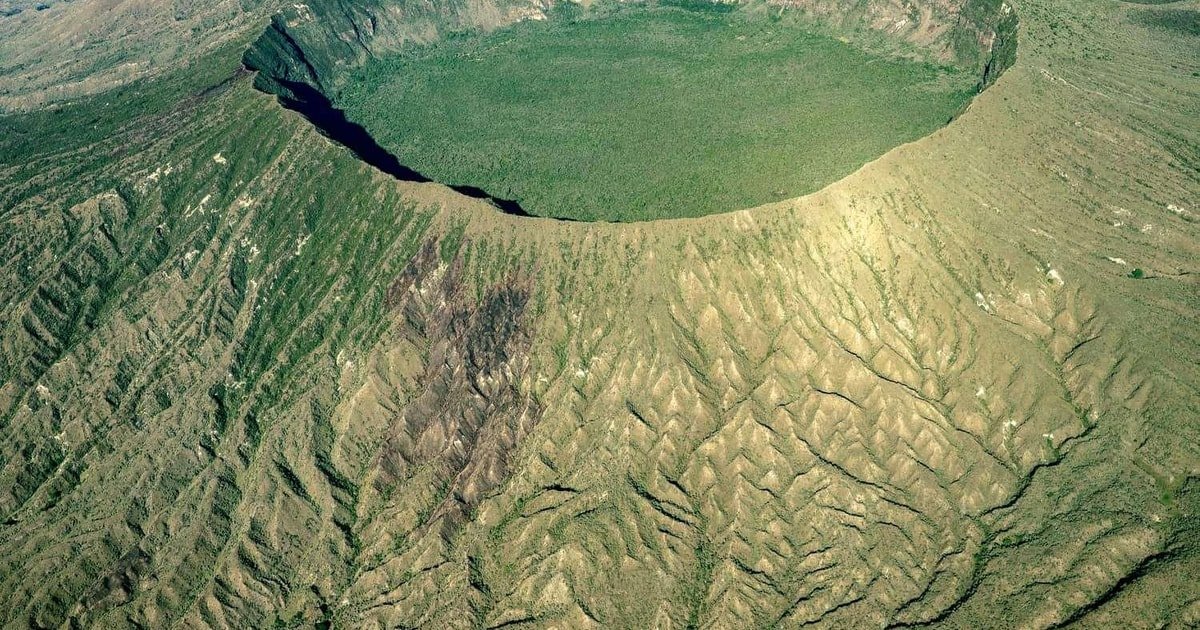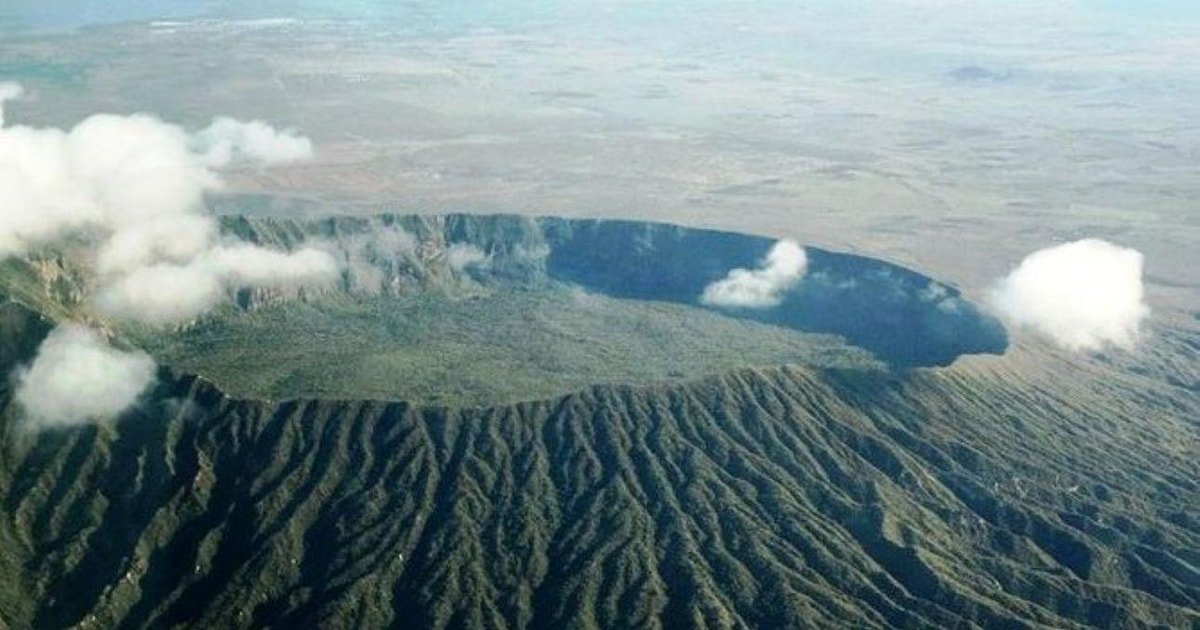

Mount Longonot hiking is one of the most exciting outdoor adventures in Kenya’s Great Rift Valley. Located near Lake Naivasha, approximately 60–70 kilometres northwest of Nairobi, Mount Longonot is a dormant volcano famous for its steep hiking trails, impressive volcanic crater and spectacular views of the surrounding landscape. The mountain rises to approximately 2,776 metres above sea level and offers an unforgettable hiking experience for nature lovers, adventure travellers, photographers and visitors looking to explore Kenya beyond traditional wildlife safaris.
Hiking Mount Longonot involves climbing from the national park entrance to the crater rim, where visitors can enjoy panoramic views of the volcanic interior, Lake Naivasha, surrounding hills and the Great Rift Valley. Adventurous hikers can continue around the crater rim for a longer and more physically demanding experience. The hike combines beautiful scenery, physical adventure and opportunities to learn about Kenya’s volcanic landscapes.
For travellers planning African safari holidays from the UK, Mount Longonot is an excellent addition to a Kenya safari itinerary. It can be included in a day trip from Nairobi or combined with Lake Naivasha boat safaris, Crescent Island walking safaris, Hell’s Gate National Park, Lake Nakuru and the Masai Mara National Reserve.
Whether you are planning a Kenya hiking holiday, an adventure safari from London, a family holiday from Manchester or a private African safari from Scotland, Mount Longonot offers a rewarding outdoor experience. This detailed guide covers everything you need to know about Mount Longonot hiking, including its location, history, hiking routes, distance, difficulty, costs, best time to visit, safety, accommodation and recommended itineraries.
Where Is Mount Longonot Located in Kenya?
Mount Longonot is located in Nakuru County within Kenya’s Great Rift Valley, close to Lake Naivasha and the town of Naivasha. The mountain is protected within Mount Longonot National Park, which is managed by the Kenya Wildlife Service.
The park is accessible from Nairobi through the Nairobi–Nakuru highway, making it one of the most convenient hiking destinations for visitors staying in Kenya’s capital. The journey from Nairobi to Mount Longonot National Park usually takes approximately one and a half to two and a half hours, depending on traffic, road conditions and the exact departure point.
Mount Longonot is situated near several other popular attractions, including Lake Naivasha, Hell’s Gate National Park, Crescent Island Game Sanctuary and Lake Nakuru National Park. Its location makes it an excellent destination for travellers who want to combine hiking with wildlife viewing and sightseeing.
The mountain is part of the volcanic landscape of the Great Rift Valley, a major geological feature stretching across East Africa. From its higher slopes, hikers can enjoy views of the surrounding plains, volcanic hills and freshwater Lake Naivasha.
For visitors booking African safari holidays from England, Scotland, Wales or Northern Ireland, Mount Longonot can be included in a tailor-made Kenya safari package without requiring a long journey from Nairobi.
Why Is Mount Longonot Famous?
Mount Longonot is famous for its volcanic crater, challenging hiking trails, dramatic landscapes and panoramic views of Kenya’s Great Rift Valley. It is one of the most recognisable volcanic mountains in the region and a popular destination for both local and international hikers.
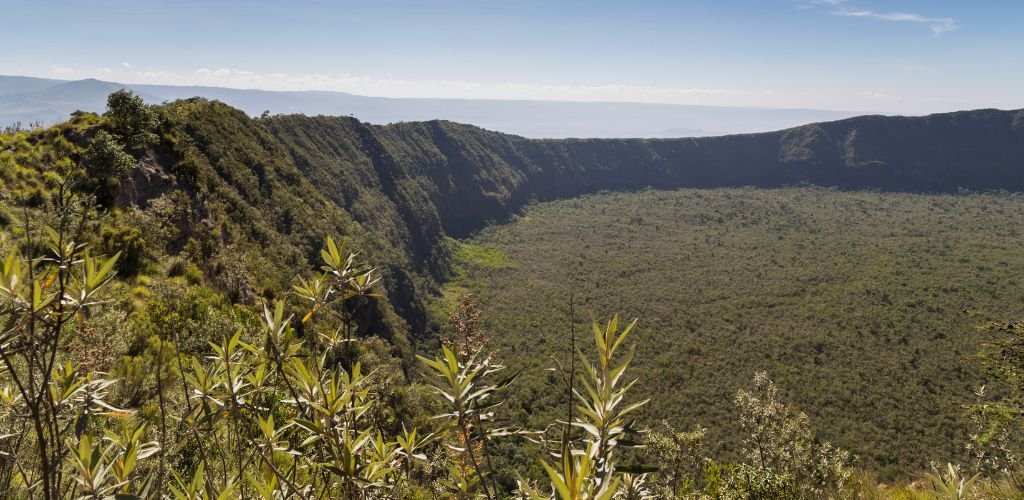
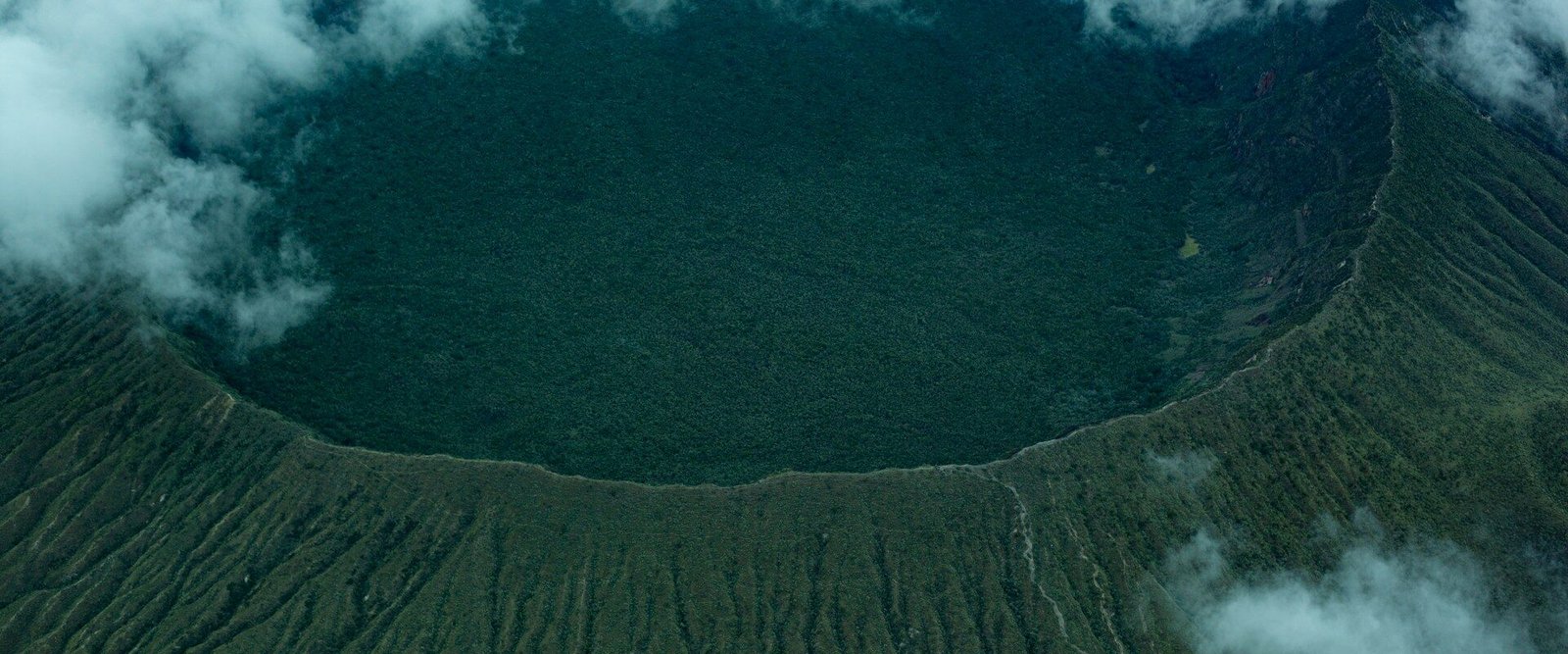
The mountain’s most distinctive feature is its large crater, which is approximately 1.8 kilometres across. The crater contains vegetation and forested areas, creating a striking contrast with the rocky and open slopes of the mountain.
Mount Longonot is also popular because hikers can reach the crater rim within a few hours, making it suitable for a day trip. Unlike Mount Kenya or Mount Kilimanjaro, which require more extensive planning for summit expeditions, Mount Longonot offers a shorter mountain adventure.
The hiking experience is particularly rewarding because the scenery changes as visitors climb. The lower sections feature grassland and scrub vegetation, while the upper slopes become steeper and more exposed.
At the crater rim, visitors are rewarded with views of the volcanic interior and the surrounding Rift Valley landscape.
Mount Longonot is also an important destination for outdoor fitness activities, nature photography and educational trips focused on geology and environmental conservation.
History and Formation of Mount Longonot
Mount Longonot was formed through volcanic activity associated with the geological processes that created the East African Rift Valley.
The Great Rift Valley developed as tectonic forces gradually pulled sections of the Earth’s crust apart. These movements created faults, volcanic mountains, valleys and lakes across East Africa.
Mount Longonot is a stratovolcano, meaning it developed through successive volcanic eruptions involving lava, ash and other volcanic materials.
Its large summit crater was formed through volcanic processes, including explosive activity and changes within the volcanic structure.
Although Mount Longonot is commonly described as dormant, it belongs to a geologically active volcanic region. Visitors should not assume that a dormant volcano is permanently extinct.
The mountain’s volcanic origin is visible in its steep slopes, rocky terrain, crater walls and surrounding geological features.
Today, Mount Longonot is protected as a national park and attracts hikers, photographers, students and travellers interested in Kenya’s natural landscapes.
Mount Longonot Hiking Routes
Mount Longonot has two main hiking options. Visitors can climb from the national park entrance to the crater rim and return along the same route, or they can complete the longer hike around the crater rim before descending.
Both routes begin at the designated park entrance and follow the established trail towards the mountain.
Mount Longonot Crater Rim Hike
The crater rim hike is the shorter and more popular option for visitors who want to experience Mount Longonot without completing the entire circuit.
The hike begins at the national park gate, where visitors complete registration and receive any necessary safety information.
From the entrance, the trail gradually approaches the mountain before becoming steeper as it climbs towards the crater rim.
The route includes loose volcanic soil, rocky sections and exposed slopes. Some sections can be physically demanding, particularly during hot weather.
As hikers gain elevation, they enjoy increasingly impressive views of the surrounding Great Rift Valley.
Reaching the crater rim is the highlight of the experience. From this point, visitors can look into the large volcanic crater and enjoy views of the surrounding landscape.
The return journey follows the same trail back to the park entrance.
The round-trip distance to the crater rim is approximately 6 kilometres, although the exact distance can vary depending on the route and measurement method.
Most hikers require approximately three to four hours to complete the climb and descent, including short breaks. Fitness, weather and trail conditions can affect the duration.
This option is suitable for reasonably fit beginners, active families with older children and travellers who want a shorter hiking experience.
Mount Longonot Full Crater Circuit Hike
The full crater circuit is a longer and more challenging hiking experience.
After reaching the crater rim, hikers continue along the trail that follows the volcanic crater’s edge.
The route includes several climbs and descents, with some sections becoming steep, narrow and rocky.
The crater circuit provides changing views of the volcanic interior, surrounding hills and the Great Rift Valley.
Some sections offer impressive views towards Lake Naivasha, while others reveal the scale of the crater and the rugged volcanic landscape.
Completing the full circuit requires greater stamina than the shorter crater rim hike.
The total hiking distance, including the climb from the park entrance, the crater circuit and the descent, is commonly estimated at approximately 13 kilometres.
Most hikers should allow approximately five to seven hours for the complete experience, although some groups may take longer.
The full crater circuit is best suited to physically active travellers who are comfortable with steep terrain and several hours of walking.
How Difficult Is Mount Longonot Hiking?
Mount Longonot is generally considered a moderately challenging hike, although the full crater circuit can be strenuous.
The difficulty comes mainly from the steep ascent, loose volcanic soil, exposed terrain and the additional climbs encountered along the crater rim.
The lower section of the trail is relatively manageable, but the route becomes steeper as hikers approach the crater.
Loose soil and rocks can make some sections slippery, particularly during the descent.
The mountain’s elevation also contributes to the physical challenge. At approximately 2,776 metres above sea level, some visitors may notice increased breathing effort, especially if they have recently arrived from a much lower altitude.
The full crater circuit requires more endurance because hikers must continue climbing and descending after reaching the initial crater viewpoint.
Visitors do not need technical mountaineering equipment for the standard hiking route, but they should have reasonable fitness and appropriate footwear.
For travellers who are not regular hikers, the shorter crater rim route may be the better option.
How Long Does It Take to Hike Mount Longonot?
The time required to hike Mount Longonot depends on the chosen route, fitness level, weather and number of rest stops.
The shorter hike from the park entrance to the crater rim and back generally takes approximately three to four hours.
The full hike, including the crater circuit, commonly takes approximately five to seven hours.
Experienced hikers may complete the route more quickly, while beginners and groups taking frequent photography breaks may require additional time.
Starting early in the morning is recommended because the mountain is exposed to the sun and temperatures can become uncomfortable later in the day.
Visitors planning a Mount Longonot day trip from Nairobi should allow sufficient time for road transfers, park registration, hiking, refreshments and the return journey.
Best Time to Hike Mount Longonot
Mount Longonot can be visited throughout the year, but the best hiking conditions are usually experienced during relatively dry weather.
January to March
January to March often offers relatively dry and warm conditions in the Great Rift Valley.
These months are popular for hiking because trails may be less muddy and visibility can be good.
However, daytime temperatures can become high, particularly on exposed slopes.
Hikers should start early and carry sufficient drinking water.
April to May
April and May are commonly associated with Kenya’s long rainy season.
Rainfall can make the mountain’s volcanic soil slippery and increase the difficulty of climbing and descending.
The surrounding landscapes may become greener, creating attractive scenery for photography.
Visitors should monitor weather conditions and avoid hiking during heavy rain or thunderstorms.
June to October
June to October is a popular period for outdoor activities and Kenya safari holidays.
Conditions are often relatively dry, although temperatures may be cooler during early mornings.
Travellers visiting Kenya during the British summer holidays can combine Mount Longonot hiking with wildlife safaris in the Masai Mara, Amboseli and Lake Nakuru.
November to December
November and December can bring short rains to the region.
Mount Longonot remains accessible when conditions are suitable, but hikers should prepare for possible rainfall and changing weather.
For travellers planning Christmas African safari holidays, Mount Longonot can be included as an optional adventure activity.
Best Time of Day to Hike Mount Longonot
Early morning is generally the best time to begin hiking Mount Longonot.
Starting between approximately 6:30 am and 8:00 am, subject to the park’s official opening hours, allows visitors to enjoy cooler temperatures and complete much of the climb before the hottest part of the day.
Morning conditions can also provide attractive lighting for landscape photography.
Late starts are less suitable for the full crater circuit because hikers may encounter strong afternoon sun, changing weather or insufficient daylight to complete the route comfortably.
Visitors should confirm the park’s latest entry and hiking cut-off times before travelling.
Mount Longonot National Park Entrance Fees
Visitors entering Mount Longonot National Park must pay the applicable Kenya Wildlife Service park entrance fees.
The amount depends on the visitor category, including Kenyan citizens, East African residents and international non-residents.
Children and students may qualify for different rates according to the current fee regulations.
Park entrance fees can change, so travellers planning Mount Longonot hiking in 2027 or later should confirm the official charges for their intended travel dates.
Additional costs may include private transport, a hiking guide, meals, drinking water and other services.
For travellers booking with African Safari Holiday, Mount Longonot hiking can be included in a personalised Kenya safari quotation with transport and other arrangements clearly specified.
Do You Need a Guide to Hike Mount Longonot?
Mount Longonot has an established hiking trail, and many experienced visitors complete the standard route without a private hiking guide, subject to current park requirements.
However, hiring a knowledgeable local guide can improve the experience, particularly for first-time visitors.
A guide can explain the mountain’s volcanic history, help visitors navigate the route and provide advice about trail conditions.
Guides can also help groups manage their pace and identify suitable resting points.
For travellers unfamiliar with the terrain or planning to complete the full crater circuit, guided hiking is a sensible option.
Visitors should always follow Kenya Wildlife Service instructions and any access restrictions in place on the day.
What Should You Wear for Mount Longonot Hiking?
Comfortable and practical outdoor clothing is essential for Mount Longonot hiking.
Lightweight hiking trousers or suitable sports clothing are recommended because the climb involves steep sections and physical activity.
Closed hiking shoes or boots with good grip are particularly important. The volcanic soil can be loose and slippery, making ordinary sandals or smooth-soled shoes unsuitable.
A lightweight long-sleeved shirt can help protect against the sun, while a hat and sunglasses provide additional comfort.
Temperatures can vary between the lower slopes and the crater rim, so carrying a light jacket is useful, especially during cooler mornings.
Visitors should avoid carrying unnecessary items because the climb can be physically demanding.
What Should You Carry for Mount Longonot Hiking?
Hikers should carry sufficient drinking water for the entire experience because reliable drinking water is not available along the hiking trail.
For many adults, approximately two to three litres of water may be appropriate for a shorter hike, with more required during hot conditions or for the longer crater circuit. Individual needs vary with temperature, exertion and health.
Energy snacks, fruit or a packed lunch can be useful, particularly for visitors completing the full circuit.
Sunscreen, sunglasses, a hat and a small first-aid kit are recommended.
A lightweight backpack allows hikers to carry essential items while keeping their hands free.
Visitors interested in photography may carry a camera or smartphone, although equipment should be secured carefully on steep sections.
A charged mobile phone and an offline map can also be useful, but hikers should not rely on mobile reception throughout the route.
Wildlife Found in Mount Longonot National Park
Mount Longonot National Park supports wildlife adapted to its grassland, bushland and volcanic environments.
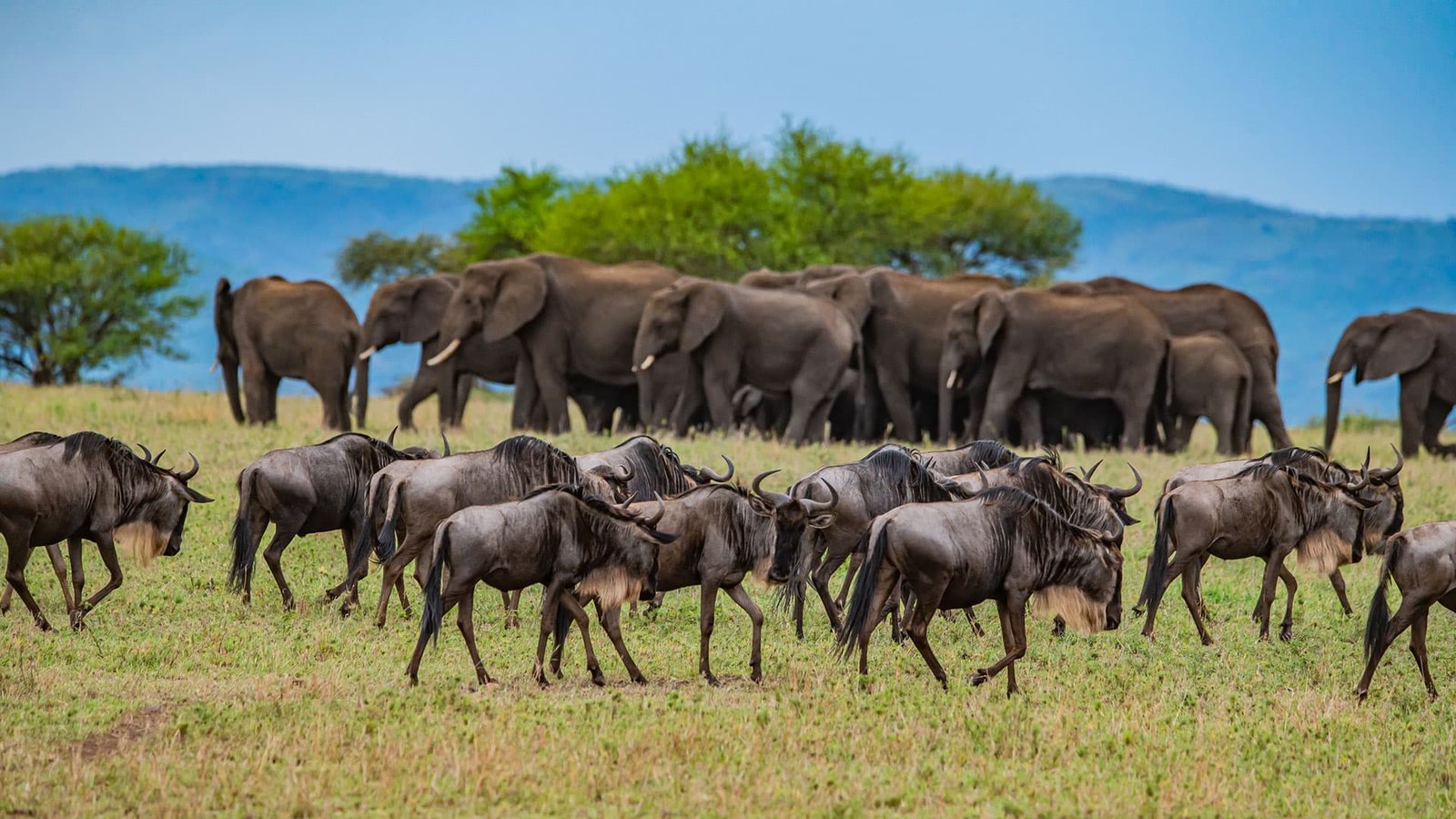
Visitors may encounter zebras, giraffes, buffaloes, antelopes and various smaller mammals in suitable habitats around the mountain.
However, Mount Longonot is primarily a hiking destination rather than a traditional game-drive park.
Wildlife sightings are less predictable than in destinations such as the Masai Mara or Amboseli.
The park also supports various bird species, including raptors and smaller birds associated with the Rift Valley landscape.
Visitors should remember that all wildlife is wild and should be observed from a safe distance.
Buffaloes can be particularly dangerous when approached or surprised, so hikers should follow park safety instructions and avoid approaching animals.
Is Mount Longonot Hiking Safe?
Mount Longonot hiking can be a rewarding outdoor experience when visitors prepare properly and follow park safety instructions.
The main risks include steep slopes, loose volcanic soil, dehydration, heat exposure, sudden weather changes and physical exhaustion.
Hikers should avoid rushing, particularly during the descent, when loose gravel can make the trail slippery.
Visitors should remain on established trails and avoid approaching unstable crater edges.
The crater rim has steep drops, and some sections may be narrow or exposed.
Hiking during thunderstorms, heavy rainfall or strong winds can be dangerous.
Visitors should not attempt to descend into the crater without explicit authorisation and appropriate arrangements.
Travellers should also avoid hiking alone in unfamiliar conditions and inform park staff of their intended route.
Anyone with significant medical concerns, mobility limitations or conditions affected by strenuous exercise should seek appropriate medical advice before attempting the hike.
Can Beginners Hike Mount Longonot?
Yes. Beginners with reasonable fitness can attempt the shorter Mount Longonot crater rim hike.
However, the route should not be underestimated because the ascent is steep in several places.
Visitors who regularly walk, cycle, jog or participate in other physical activities may find the hike more manageable.
Beginners should allow additional time, take regular breaks and avoid attempting the full crater circuit if they become excessively tired.
For travellers who prefer a less demanding outdoor experience, Hell’s Gate National Park or a guided nature walk around Lake Naivasha may be suitable alternatives.
Is Mount Longonot Suitable for Children?
Mount Longonot can be suitable for older children who are physically active and comfortable with steep outdoor trails.
However, the hike is not recommended for very young children or visitors who cannot safely manage uneven ground and exposed slopes.
Parents should consider the child’s fitness, hiking experience and ability to follow safety instructions.
The full crater circuit is more demanding and may not be appropriate for many children.
Families booking Kenya safari holidays from the UK should discuss the activity with their safari planner before including it in the itinerary.
Mount Longonot Hiking vs Hell’s Gate National Park
Mount Longonot and Hell’s Gate National Park are two popular outdoor destinations near Lake Naivasha, but they offer different experiences.
Mount Longonot is primarily a mountain hiking destination. Visitors climb steep volcanic slopes to reach the crater rim and enjoy panoramic views.
Hell’s Gate National Park is known for cycling, walking, volcanic formations, dramatic cliffs and wildlife viewing.
Mount Longonot is generally more physically demanding because of its steep ascent and exposed terrain.
Hell’s Gate offers a wider range of activities for visitors who prefer cycling or shorter nature excursions.
For adventurous travellers, both destinations can be included in a two-day Lake Naivasha itinerary.
Mount Longonot Hiking and Lake Naivasha Boat Safari
Combining Mount Longonot hiking with a Lake Naivasha boat safari creates an enjoyable adventure and nature experience.
Travellers can begin the day with an early morning hike before continuing to Lake Naivasha for lunch and a relaxing boat excursion.
During the boat safari, visitors may observe hippos, African fish eagles, pelicans and other waterbirds.
The lake’s calm surroundings provide a contrast to the physical challenge of climbing Mount Longonot.
This combination is particularly popular for travellers interested in hiking, wildlife photography and outdoor adventure.
Visitors planning both activities on the same day should allow sufficient time for the hike and avoid overloading the itinerary.
Where to Stay Near Mount Longonot
Mount Longonot is conveniently located near Naivasha, where visitors can choose from various accommodation options.
Lake Naivasha Sopa Resort is a popular lakeside property known for its spacious grounds and natural surroundings.
Enashipai Resort & Spa offers upscale accommodation and leisure facilities suitable for travellers seeking comfort after outdoor activities.
Lake Naivasha Country Club provides a scenic lakeside environment with landscaped gardens and comfortable accommodation.
Sawela Lodges is another option for families, couples and groups visiting the Naivasha region.
Lake Naivasha Resort also offers accommodation and leisure facilities for visitors exploring the surrounding attractions.
Travellers can choose accommodation based on their budget, preferred location, meal plan and overall Kenya safari itinerary.
How to Get to Mount Longonot from Nairobi
Mount Longonot is accessible by road from Nairobi through the Nairobi–Nakuru highway.
The journey usually takes approximately one and a half to two and a half hours, depending on traffic and road conditions.
Travellers can arrange private transport, join an organised hiking excursion or use public transport to reach the Naivasha area before arranging onward transport to the park.
Private transport is generally more convenient for international visitors because it allows flexible departure times and easier access to the national park entrance.
For travellers booking African safari holidays from the UK, African Safari Holiday can arrange Mount Longonot hiking as part of a private Kenya safari itinerary.
Recommended Mount Longonot Hiking Itineraries
1 Day Mount Longonot Hiking Trip from Nairobi
Depart Nairobi early in the morning and travel through the Great Rift Valley towards Mount Longonot National Park. On arrival, complete park registration and prepare for the hike. Begin climbing towards the crater rim, taking breaks along the way to enjoy the scenery and capture photographs.
At the crater rim, enjoy panoramic views of the volcanic interior and surrounding landscape. Depending on fitness and available time, either return along the same route or continue around the crater rim for the full circuit.
After descending, enjoy lunch or refreshments before returning to Nairobi later in the afternoon.
2 Days Mount Longonot Hiking and Lake Naivasha Safari
Day 1: Nairobi to Mount Longonot and Lake Naivasha
Depart Nairobi early in the morning and travel to Mount Longonot National Park. Enjoy a guided hike to the crater rim, with the option of completing the full circuit for experienced hikers. After descending, continue to Lake Naivasha for lunch and an afternoon boat safari. Enjoy views of hippos, waterbirds and the surrounding landscape before checking into your lakeside accommodation for dinner and overnight.
Day 2: Crescent Island or Hell’s Gate and Return to Nairobi
After breakfast, enjoy a guided walking safari at Crescent Island or visit Hell’s Gate National Park for cycling and scenic exploration. After lunch, return to Nairobi.
3 Days Mount Longonot, Lake Naivasha and Lake Nakuru Safari
Day 1: Nairobi to Mount Longonot and Lake Naivasha
Depart Nairobi and travel to Mount Longonot for a morning hiking adventure. After the hike, continue to Lake Naivasha for an afternoon boat safari and overnight accommodation.
Day 2: Lake Naivasha to Lake Nakuru National Park
After breakfast, travel to Lake Nakuru National Park for a wildlife game drive. Explore the park in search of rhinos, buffaloes, giraffes and other animals. Enjoy dinner and overnight accommodation in or near the park.
Day 3: Lake Nakuru to Nairobi
After breakfast, begin the return journey to Nairobi, arriving later in the day.
Mount Longonot Hiking for Travellers from the United Kingdom
Mount Longonot Hiking Holidays from England
Travellers planning African safari holidays from England can include Mount Longonot hiking in Kenya adventure itineraries.
Visitors from London, Manchester, Birmingham, Liverpool, Leeds and Bristol can combine the mountain hike with Lake Naivasha, Lake Nakuru and the Masai Mara.
Mount Longonot is particularly suitable for travellers interested in outdoor adventure, scenic photography and active holidays.
Mount Longonot Hiking Holidays from Scotland
Travellers booking Kenya safari holidays from Scotland can enjoy Mount Longonot as part of a tailor-made African safari.
Visitors from Edinburgh, Glasgow, Aberdeen, Dundee and Inverness can combine hiking with wildlife game drives, boat safaris and cultural experiences.
The mountain provides a rewarding addition to traditional Kenya safari itineraries.
Mount Longonot Hiking Holidays from Wales
Travellers planning African safari holidays from Wales can include Mount Longonot hiking in private Kenya adventure packages.
Visitors from Cardiff, Swansea, Newport and Wrexham can explore the volcanic crater before continuing to Lake Naivasha and other wildlife destinations.
Mount Longonot Hiking Holidays from Northern Ireland
Travellers booking Kenya safari holidays from Northern Ireland can combine Mount Longonot hiking with wildlife viewing and nature activities.
Visitors from Belfast, Derry/Londonderry, Lisburn and Newry can choose personalised itineraries featuring Mount Longonot, Hell’s Gate, Lake Nakuru and the Masai Mara.
Frequently Asked Questions About Mount Longonot Hiking
Where is Mount Longonot located?
Mount Longonot is located in Nakuru County, within Kenya’s Great Rift Valley, near Lake Naivasha and approximately 60–70 kilometres northwest of Nairobi.
How high is Mount Longonot?
Mount Longonot rises to approximately 2,776 metres above sea level.
How long does it take to hike Mount Longonot?
The shorter crater rim hike generally takes approximately three to four hours, while the full crater circuit commonly takes five to seven hours.
How many kilometres is the Mount Longonot hike?
The shorter crater rim hike is approximately 6 kilometres return, while the full crater circuit is commonly estimated at around 13 kilometres in total.
Is Mount Longonot hiking difficult?
Mount Longonot is moderately challenging because of its steep slopes, loose volcanic soil and exposed terrain. The full crater circuit is more physically demanding.
Can beginners hike Mount Longonot?
Yes. Beginners with reasonable fitness can attempt the shorter crater rim hike, provided they prepare properly and take sufficient breaks.
Is Mount Longonot an active volcano?
Mount Longonot is generally described as a dormant volcano. It is part of the geologically active East African Rift Valley.
What is inside Mount Longonot crater?
The crater contains natural vegetation and forested areas. Visitors normally observe the crater from the rim rather than descending into it.
Can you walk around the Mount Longonot crater?
Yes. Experienced hikers can complete the crater rim circuit using the established hiking trail, subject to current park access and safety conditions.
What is the best time to hike Mount Longonot?
Relatively dry periods, commonly January to March and June to October, are often suitable for hiking. Early morning is generally the best time of day to begin.
How far is Mount Longonot from Nairobi?
Mount Longonot is approximately 60–70 kilometres northwest of Nairobi, depending on the starting point and route.
Can Mount Longonot be visited in one day?
Yes. Mount Longonot is a popular day-trip destination from Nairobi.
Do I need a guide to hike Mount Longonot?
A private guide may not be compulsory for every standard hike, subject to current park rules. However, hiring a knowledgeable guide is recommended for first-time visitors and groups attempting the full crater circuit.
Is Mount Longonot safe for tourists?
Mount Longonot can be enjoyed safely with appropriate preparation, suitable footwear, sufficient water and adherence to park safety instructions. The steep terrain and crater edges require particular care.
Are there wild animals on Mount Longonot?
Yes. Wildlife such as zebras, giraffes, buffaloes, antelopes and various birds may be found in the national park, although sightings are not guaranteed.
Can children hike Mount Longonot?
Older, physically active children may be able to complete the shorter route under appropriate adult supervision. Parents should consider the child’s fitness and the trail conditions.
Can I combine Mount Longonot with Lake Naivasha?
Yes. Mount Longonot hiking can be combined with Lake Naivasha boat safaris, Crescent Island walking safaris and Hell’s Gate National Park.
Is Mount Longonot suitable for African safari holidays from the UK?
Yes. Mount Longonot is an excellent optional activity for travellers from England, Scotland, Wales and Northern Ireland who want to combine hiking with Kenya wildlife safaris.
Book Your Mount Longonot Hiking Adventure with African Safari Holiday
Discover the beauty of Kenya’s Great Rift Valley with African Safari Holiday. Experience the excitement of hiking Mount Longonot, explore its spectacular volcanic crater and enjoy panoramic views of Lake Naivasha and the surrounding landscapes.
Whether you are planning Kenya hiking holidays from London, adventure safari holidays from Manchester, luxury African safari holidays from Scotland, family safari holidays from Wales or private Kenya safari holidays from Northern Ireland, African Safari Holiday can help you create a personalised travel experience.
Our tailor-made Kenya safari packages can combine Mount Longonot hiking with Lake Naivasha boat safaris, Crescent Island walking adventures, Hell’s Gate National Park, Lake Nakuru wildlife game drives, Masai Mara safaris and relaxing beach holidays along Kenya’s Indian Ocean coast.
Plan Your African Safari Holiday Today
Contact African Safari Holiday to request a personalised Mount Longonot hiking and Kenya safari quotation. Share your preferred travel dates, number of travellers, accommodation preferences and activities, and our safari planning team can help you arrange an itinerary suited to your interests and budget.
From scenic mountain hikes and wildlife game drives to peaceful lakeside experiences and unforgettable cultural encounters, explore the best of Kenya with African Safari Holiday.
Your next African adventure starts here. Let African Safari Holiday help you discover Kenya’s spectacular landscapes, wildlife and outdoor experiences.
Important details:
- 3
- Location: Mount Longonot National Park, Great Rift Valley, Kenya, near Lake Naivasha.
- Distance from Nairobi: Approximately 60–70 km.
- Driving Time from Nairobi: Approximately 1.5–2.5 hours.
- Mountain Elevation: Approximately 2,776 metres above sea level.
- Type of Mountain: Dormant stratovolcano.
- Full Hiking Distance: Approximately 13 km, including the crater circuit.
- Hiking Duration to Crater Rim: Approximately 3–4 hours return.
- Kenya